Status Under contract (extension window opens 2027)
The card
All cards →
+3.8
Pine Net Rating v0.1: goals above replacement over 6 games. 100 of 200 five-on-five minutes; his rank prints at 200.
- Position
- C
- Number
- #71
- Shoots
- L
- Age
- 20
- Size
- 6'0", 190 lb
- Ice time
- 22:50 a game
- Games
- 6
- Pieces here
- 95
2026-27 regular season: 6 games, 137 minutes.
2027-28: +20.0 (range +1.2 to +38.8). 2031-32: +21.8 (range -11.0 to +54.6). No dollar line yet: market value waits on a league contract table.
The number on each bar is his percentile among league forwards with 200 or more minutes at 5-on-5 (special teams: 30 or more minutes on the unit); each block prints the size of that group. Higher is better on every bar; chances against are inverted so 90% always reads well.
Sources: NHL.com for the roster, bio and counting line; MoneyPuck for expected goals, on-ice chances, blocks and penalties; PuckPedia and CapWages for the contract. Updated 2026-10-19. The rating, the forecast and the value line are this site's own, from public data, with the method published.
On the record
Called Shots →Macklin Celebrini's $18.8 million average annual value is NOT the highest in the NHL on July 29, 2027. Scored off any active standard player contract carrying a higher AAV on that date, signed by any player on any club, and counting a signed extension that has not yet taken effect. A hit means at least one such contract exists; a miss means $18.8 million still stands alone at the top.
San Jose signs Will Smith to a new contract of five years or fewer on or before July 1, 2027.
Macklin Celebrini finishes the 2026-27 regular season with at least 70 even-strength points for San Jose, after 82 in 2025-26.
San Jose's power play finishes the 2026-27 regular season converting 23.00 percent or better, after 21.18 percent in 2025-26.
Kiefer Sherwood averages under 1:45 a night on the power play across San Jose's first 20 games of 2026-27.
Alexander Wennberg finishes the 2026-27 regular season with more power-play points than Michael Misa.
Igor Chernyshov averages more than 2.00 shots on goal per game across San Jose's first 20 regular-season games of 2026-27.
San Jose's penalty kill finishes the 2026-27 regular season ranked higher among the 32 NHL clubs than San Jose's power play.
Sam Dickinson averages more time on ice per game than Darnell Nurse across San Jose's first 20 games of 2026-27.
Macklin Celebrini finishes the 2026-27 regular season with a faceoff win percentage of 50.0 or better for San Jose, after 48.6 percent (625 of 1,285) in 2025-26 and 48.2 percent (507 of 1,051) in 2024-25.
Will Smith and San Jose do not agree to a contract extension on or before April 30, 2027.
San Jose's share of five-on-five expected goals across its games six through ten of 2026-27 (Boston on October 13 through Montreal on October 20) is 40.0 percent or higher, per MoneyPuck. Scored by subtracting the five-game five-on-five totals in MoneyPuck's 2026-27 team summary file as read on October 13 (6.40 expected goals for, 12.28 against) from the same file's ten-game totals, then dividing for by for-plus-against. 40.0 exactly counts as RIGHT. If MoneyPuck revises the five-game totals, the revised five-game figures are used on both ends.
Written about him
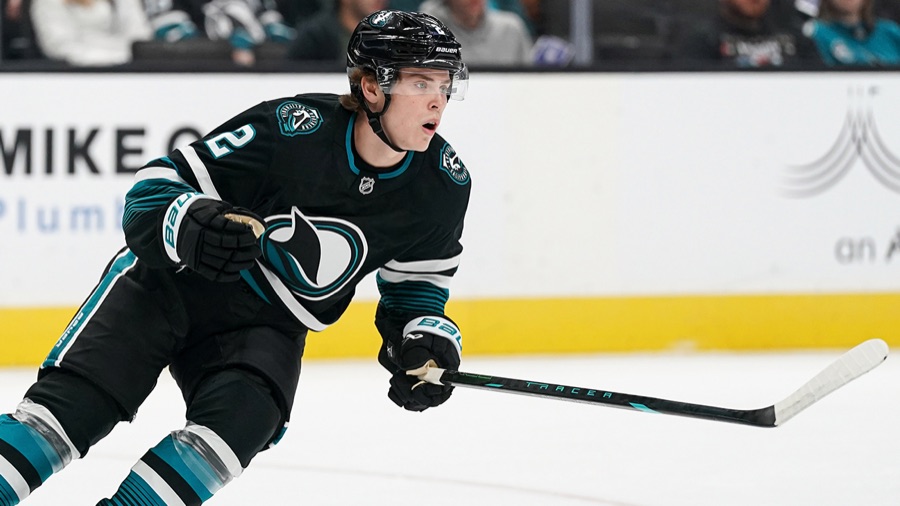
San Jose has led by two in the third four times and won none in regulation
San Jose's repeated third-period trouble now accompanies better five-on-five play, with the Celebrini line driving the improvement at Detroit.
Celebrini is on all four of Smith's points, and none came at five-on-five
Will Smith's scoring resembles last October, his tracking rates hold up, and San Jose's five-on-five offense produces less with him on the ice.
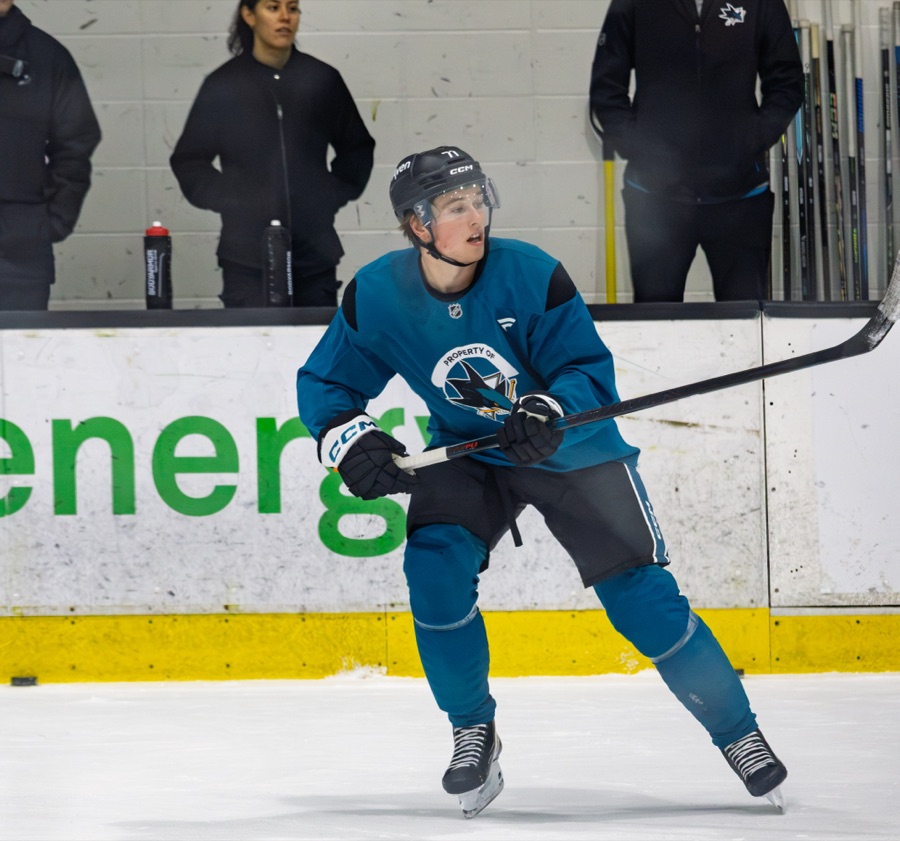
Celebrini came back from two missed games with last season's legs
Celebrini's skating holds up after his return, while his points come in different situations and San Jose's five-on-five chances sag around him.
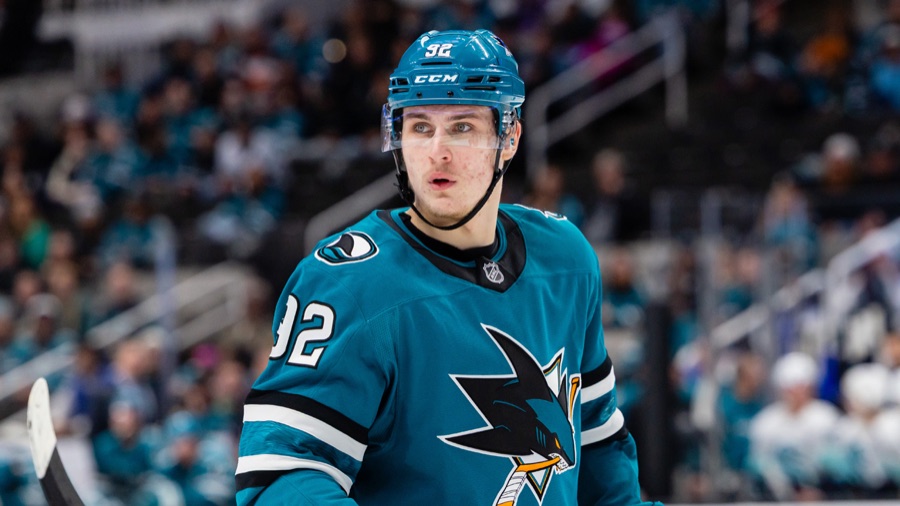
San Jose changed its first line on Monday, and the other three with it
San Jose practiced on October 12 with four new forward lines: Chernyshov-Celebrini-Smith, Stenberg-Misa-Sherwood, Marchment-Wennberg-Toffoli and Ostapchuk between Graf and either Dellandrea or Gaudette, with Barclay Goodrow off the ice with an illness and questionable for Tuesday's game against Boston. The defense pairs did not change. Ivar Stenberg, 19, replaced Chernyshov on the first power-play unit; San Jose is 2 for 13 on the power play and 0 for 7 over its last three games. Warsofsky said the club is not playing in the offensive zone enough to create offense. At five-on-five San Jose has scored 7 goals and allowed 13 through five games, with 34.3 percent of MoneyPuck's expected goals, 31st of 32 clubs; last season's full-year share was 47.6 percent. Boston, 4-2-0, has allowed 7 five-on-five goals in six games.
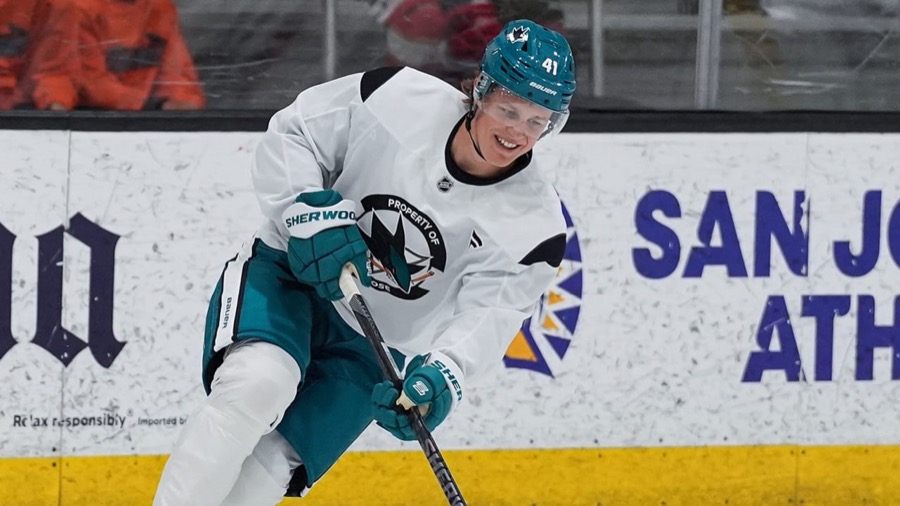
McKinney had the points, but Stenberg's minutes carry more weight
Cole McKinney had five points in two Michigan games. Ivar Stenberg's climb to fourth of twelve San Jose forwards in ice time is the thing to hold onto, and the board's one move put Luca Cagnoni fifth.
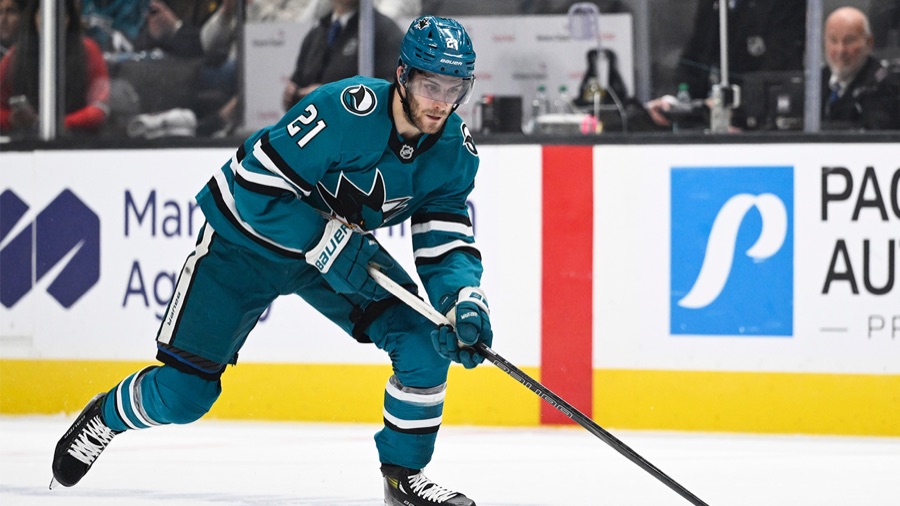
Wennberg and Trouba get the other team's top line at SAP Center
Wennberg's line drew the heavier top-line matchup at home, while Celebrini's line took more defensive-zone faceoffs; practice this week kept Allan and Trouba together and moved Stenberg's line.
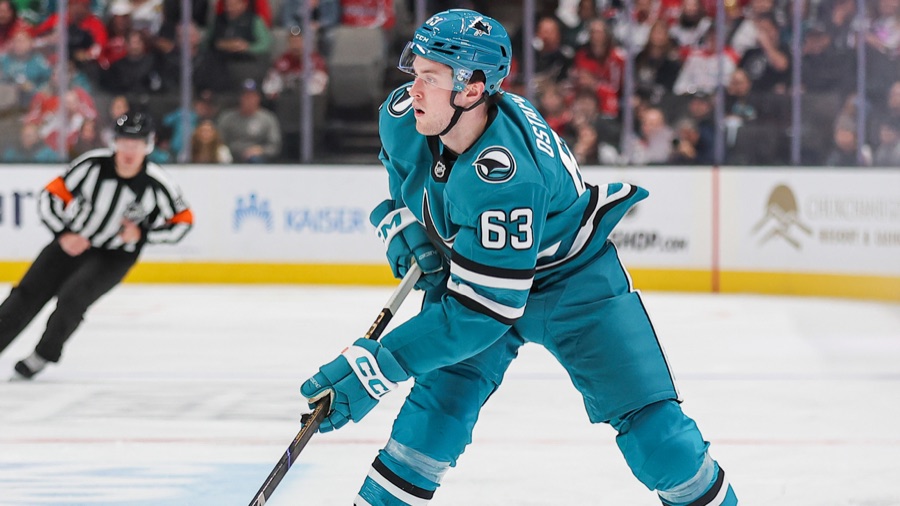
San Jose made its usual chances without Celebrini. Dallas made far more
San Jose's 5-0 loss at Dallas extended its five-on-five struggles without Celebrini, with the same chance creation and more chances against.
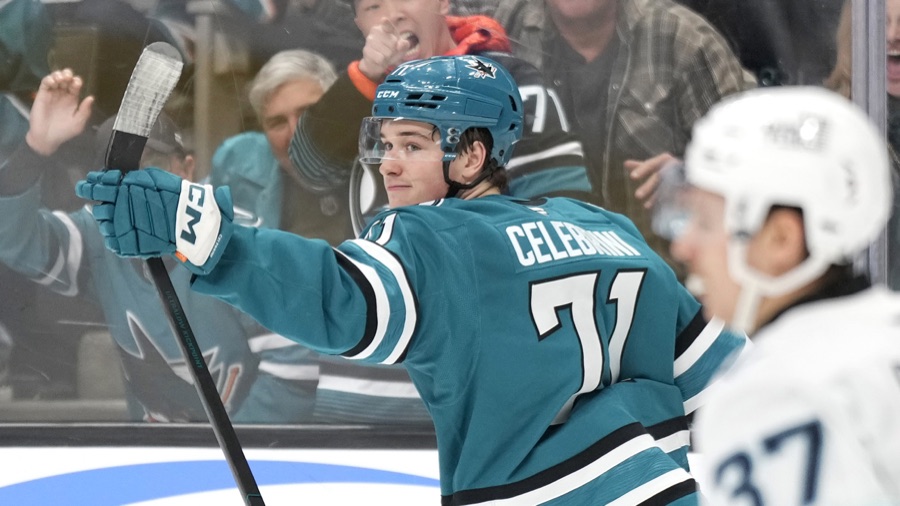
Celebrini is the captain, and 31 of his teammates are older
Celebrini, 20, is the youngest captain in Sharks history and the youngest in the NHL. He is fourth-youngest on a 34-man camp roster, and the chair he fills has been empty on the ice since January 2024.
Stenberg scored three, and Celebrini's line had the puck
Stenberg scored three against Anaheim, while Celebrini's line paired the Sharks' smallest five-on-five workloads with on-ice attempt counts of 16-2, 17-3 and 15-3.
Celebrini scored 45 goals on 31.8 expected, and San Jose is betting on the gap
Macklin Celebrini scored 45 goals on 31.8 expected goals last season, a gap of 13.2 that ranked fourth among the 411 NHL forwards who played 40 games or more. With him on the ice at five-on-five the Sharks were level on expected goals; without him they were at 46 percent. He plays this season on the last year of a $975,000 entry-level deal before an $18,800,000 cap hit begins. Training camp opens today.
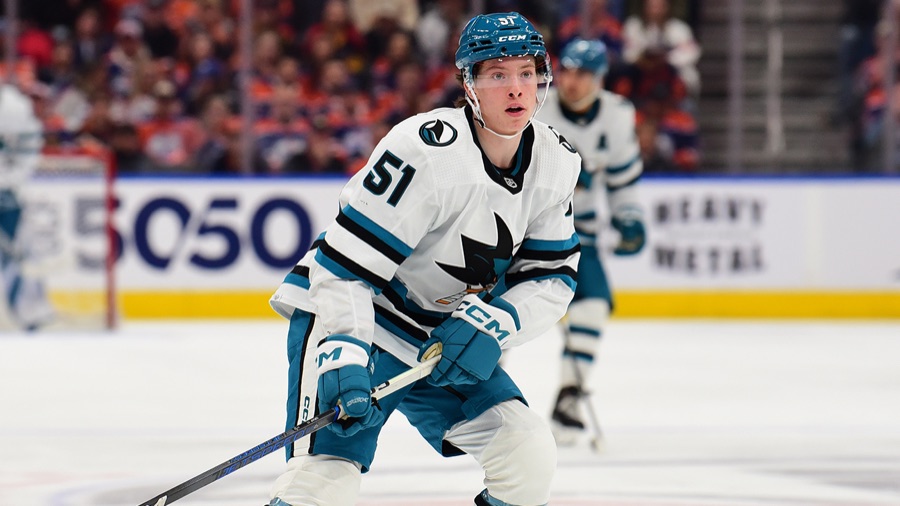
Collin Graf Scored More Shorthanded Than He Did On The Power Play
Collin Graf spent 39 minutes and 38 seconds on the power play across 81 games last season, tenth among San Jose forwards, and 200 minutes killing penalties, which was first. He scored 21 goals anyway and finished with 42 even-strength points, tied with Will Smith for second on the team behind Macklin Celebrini. San Jose then signed him for three years and $12,750,000. The open house row on him says he reaches 50 points, and the entire case for that is usage the club has never given him.
Of Alexander Wennberg's Twenty And A Half Minutes A Night, Five And A Half Came On Special Teams
Alexander Wennberg scored 55 points in 80 games last season and averaged 20:27 a night. Three minutes twenty of that was power play, second on the whole roster behind Macklin Celebrini, and two minutes eight was penalty kill. The demotion every projection has him taking is an even-strength demotion, and both published power-play projections keep him on the first unit. The number that threatens the 55 is a 19.4 percent shooting rate against a career mark of 11.4 across 869 games.
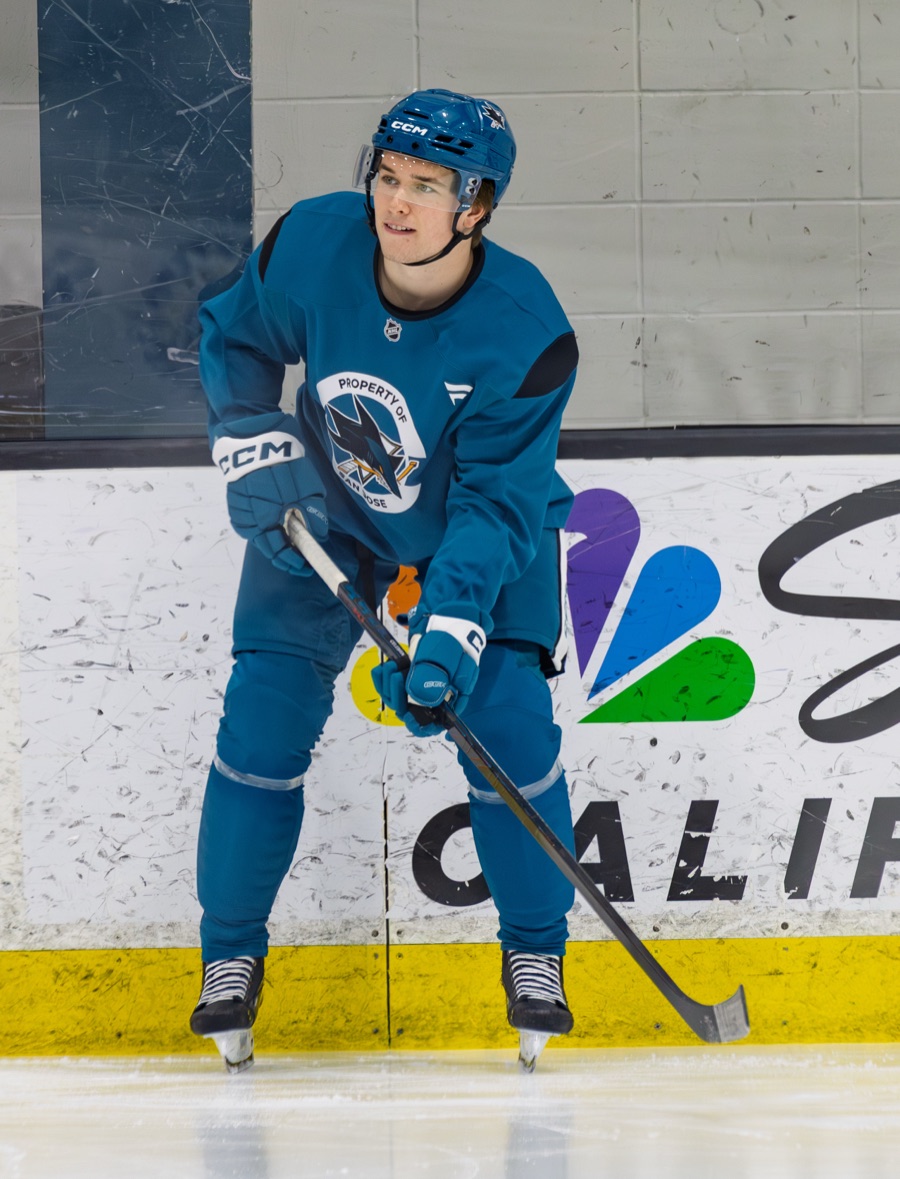
Macklin Celebrini Explained His Own Contract By Talking About Everybody Else's
Macklin Celebrini's first media availability since his five-year, $94 million extension. He explained the number, the timing and the term, and all three explanations were about San Jose's flexibility rather than his own market. The context underneath them is a June meeting his agent Pat Brisson requested with owner Hasso Plattner and general manager Mike Grier, reported in July, about the direction of the franchise.
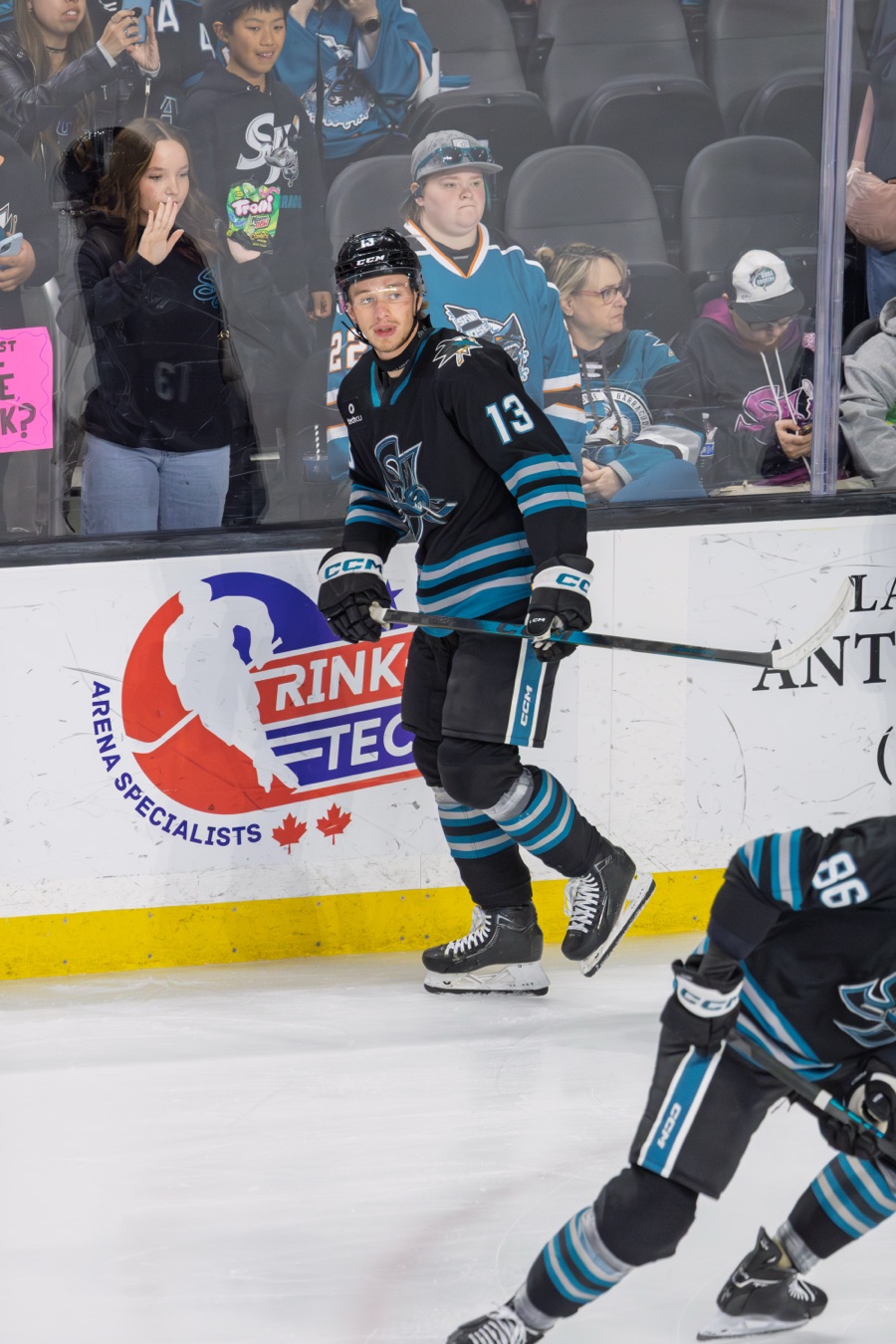
If Quentin Musty Makes The Sharks Out Of Camp, It Will Be For A Skill He Has Not Shown
Quentin Musty shot 168 times in 61 American Hockey League games last season and scored 21 goals, a 12.5 percent conversion rate on the highest volume in the organization. He is the highest-ceiling forward outside San Jose's opening 23 and the one most likely to be told to wait. The camp spot everybody imagines him winning is the wrong door, because the door that opens in September leads to a checking job and the recall in December leads to the one he can actually do.
What Is Left Of Celebrini's 115 Points After The Power Play Comes Off
Macklin Celebrini scored 82 of his 115 points at even strength last season. Connor McDavid scored 82 of his 138 there. Same number, same 82 games. The difference between 115 points and 138 is a power play that converted 30.63 percent in Edmonton and 21.18 percent in San Jose, and a ranking built on point totals is measuring two power plays at least as much as it is measuring two players.
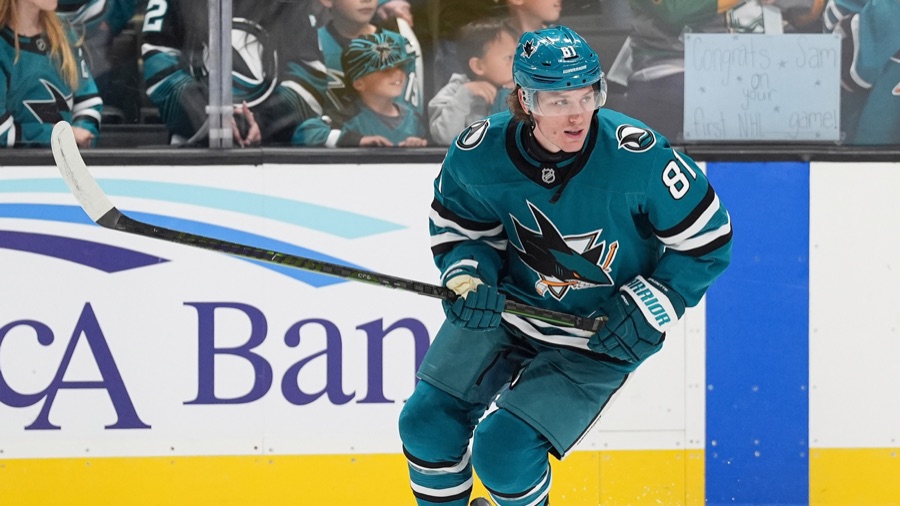
Only Macklin Celebrini Scored Faster Than Adam Gaudette Last Season
Adam Gaudette scored 17 goals in 66 games last season on 11:28 a night, a rate of 1.35 goals per sixty minutes that only Macklin Celebrini beat among the forwards San Jose returns. He is also the thirteenth forward in most published projections of the 2026-27 lineup, he must clear waivers to be sent anywhere, and he is in the final year of a two-year deal at $2,000,000. The season's question is not whether he can finish. It is whether a deeper team gives him anything to finish.
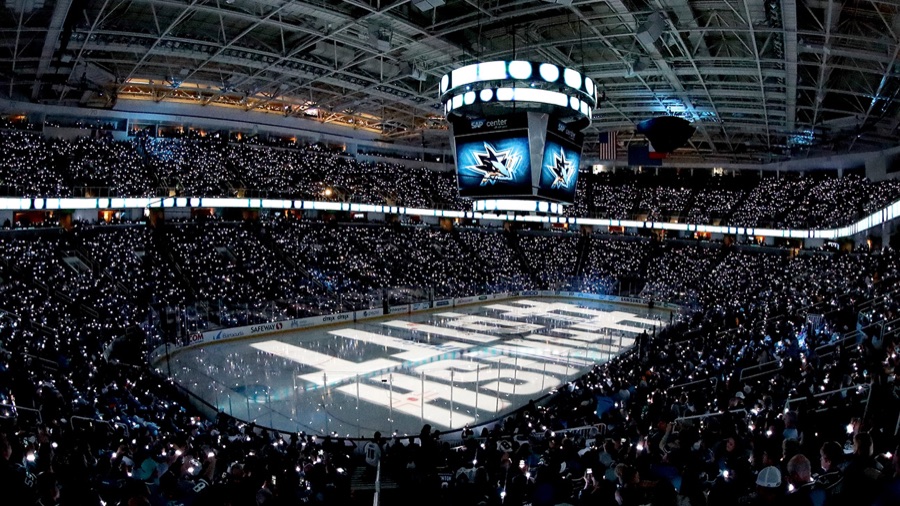
San Jose Has Four Preseason Games And Nineteen Men Who Can Play Two Of Them
San Jose's 2026-27 preseason is four games, down from six in each of the last three years, because the new collective bargaining agreement caps it there. The same agreement limits any player with 100 or more NHL games to two exhibition appearances. Nineteen of the 41 players on the club's listed roster clear that bar, including Macklin Celebrini at 152 games and Will Smith at 143. From the first rookie game on September 12 to the opener on October 1 is nineteen days and six games.
Everybody Signed The Same Lease. The Rent Ran From $7.2 Million To $18.8 Million.
Clarke, Demidov, Carlsson, Mintyukov, Nemec, Bedard and Celebrini all signed between June 26 and July 29. Six of the seven landed on five years, three defensemen negotiated by three separate front offices landed within $200,000 of each other, and the term on the summer's biggest restricted free agent contract was written by a team that never employed him. What that leaves San Jose is a date in 2032 it did not pick.
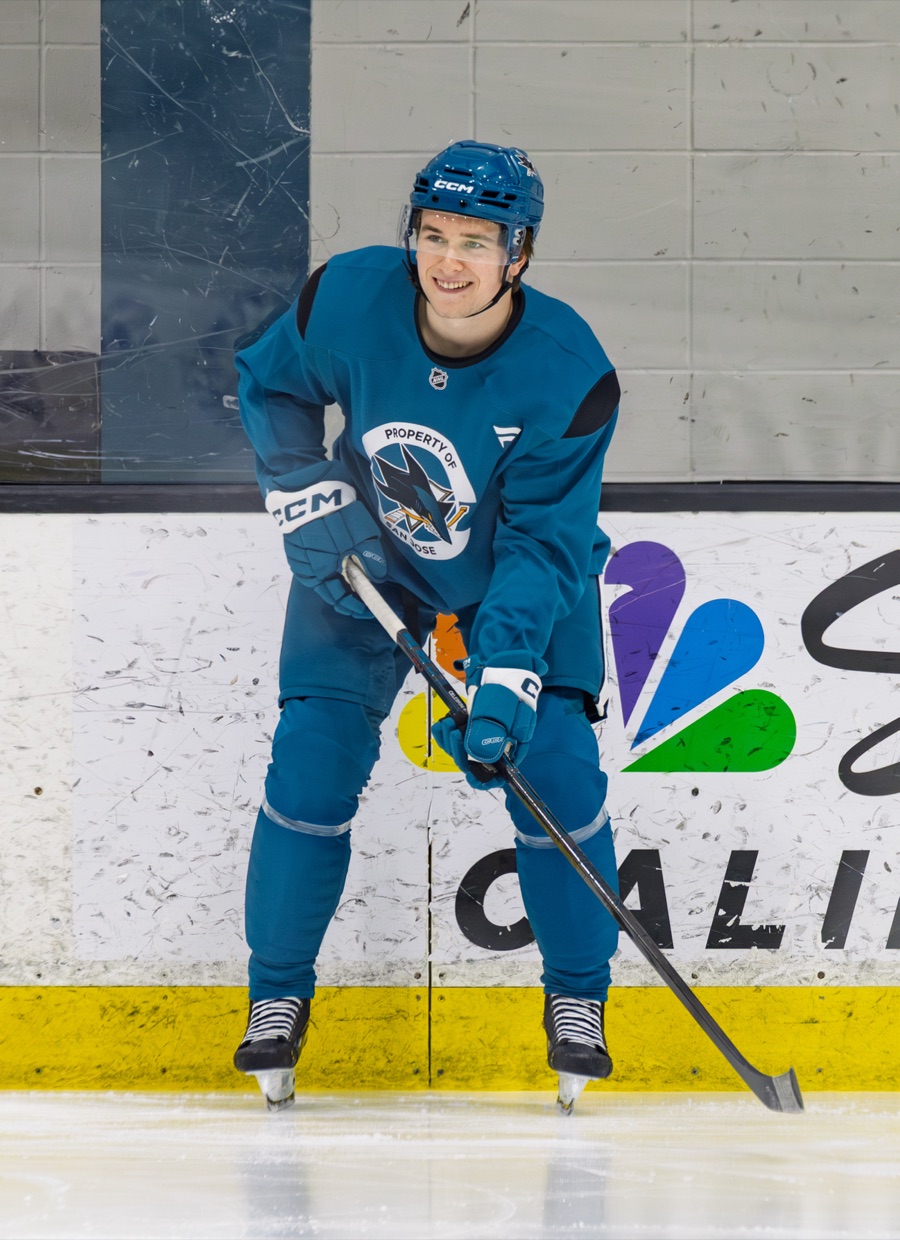
The $10 Million Macklin Celebrini Left On The Table All Comes Out Of 2031 And 2032
Celebrini's extension is five years and $94 million, an $18.8 million cap hit that is the highest in league history. A max deal would have paid $104 million. Every dollar of the difference is deferred to the last two seasons, the first three pay the maximum an NHL contract is allowed to pay, and $89.1 million of the total is signing bonus.
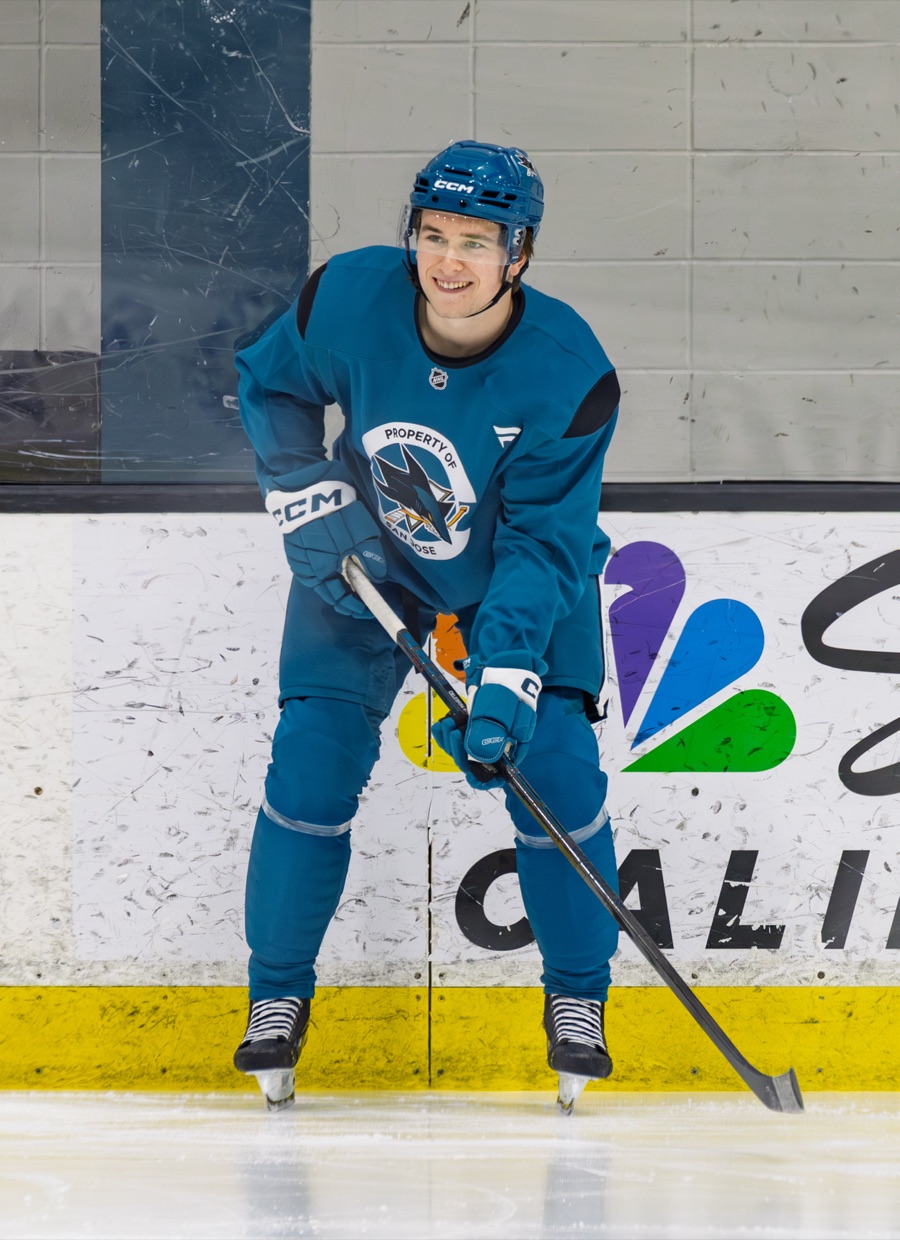
How high does Macklin Celebrini go? Higher than we've been saying.
How high does Macklin Celebrini go? Higher than we've been saying.
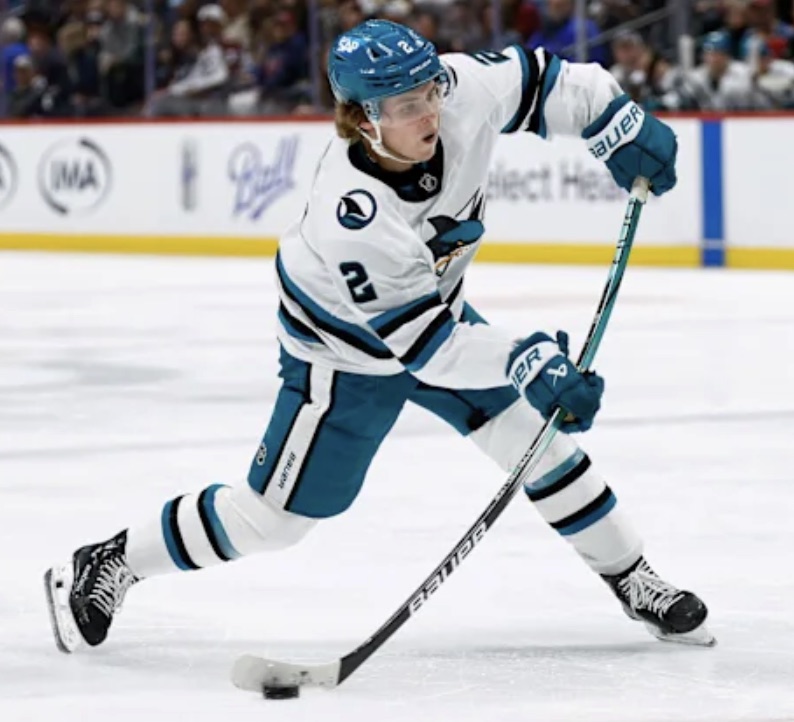
Will Smith, away from Celebrini: the one stat that decides the Star Forward slot
Will Smith and the driver-or-passenger question
Pricing the Celebrini extension: the number, the deadline nobody is talking about, and what every dollar costs the core
Pricing the Celebrini extension
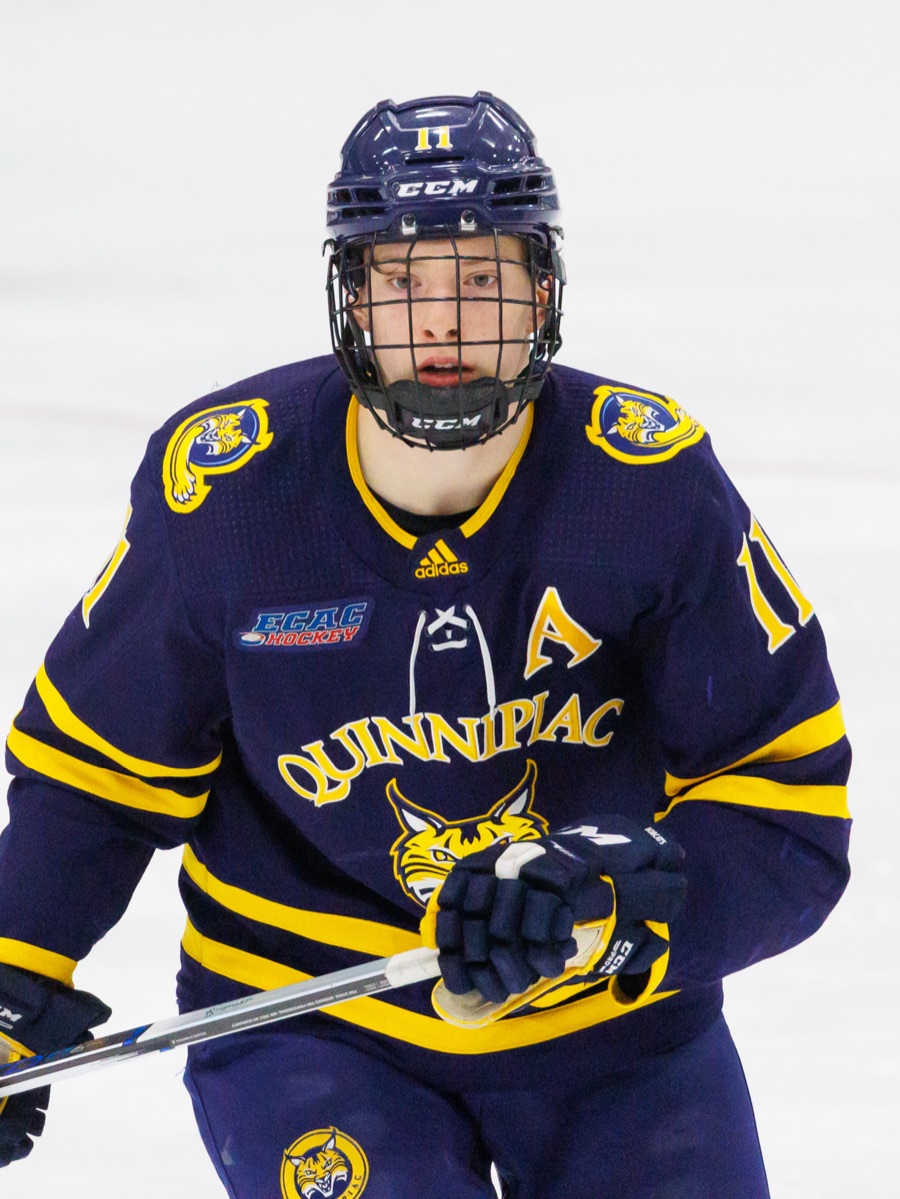
Collin Graf, 2025-26: The Qualifying Offer Was the Easiest Decision of the Summer
An undrafted right wing from Lincoln, Mass., posted the highest 5v5 expected goals per 60 on a Sharks roster that included Macklin Celebrini, Will Smith, William Eklund, and Tyler