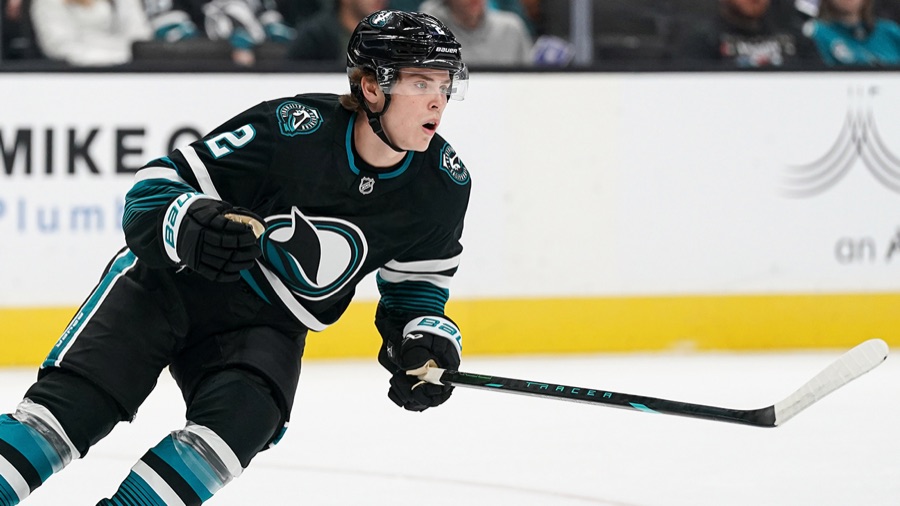
The power-play blueprint: the chances were already there, the finish wasn't (the easy 5 points)
The penalty-kill autopsy got its own deep-dive because it was a disaster (28th, the Goodrow-Wennberg minutes, the whole grim accounting). The power play never got the same treatment, and it should, because it is the more fixable of the two units and probably the easier five points in the standings. The headline: the Sharks finished 17th on the man advantage while generating 7-to-9 expected goals per 60, which is top-tier chance creation. They were not failing to make chances. They were failing to bury them, and they were doing it with one of the league's worst quarterbacks parked at the point for five months.
The diagnosis: a conversion problem wearing a personnel disguise#
| Evidence | Number | Verdict |
|---|---|---|
| Chance creation rate | 7-9 xGF/60 | Top-tier. The structure works. |
| Conversion (rank) | 17th, 20.9% | Middling. The finish lagged the chances. |
| Toffoli's PP efficiency | 9.29 xGF/60 | The best on the team; the bumper/flank worked |
| The QB | Klingberg, 5 months on PP1 | One of the league's worst PP defensemen; the anchor |
When a unit makes elite chances and converts at a middling rate, the leak is at the release points: the quarterback who cannot run the entries cleanly, walk the line, or get pucks through to the bumper. The Sharks ran their top unit through John Klingberg, a quarterback whose own value board line was negative, for half a season before demoting him. The chances survived his presence because Celebrini and Toffoli and Smith are good enough to manufacture them anyway. The conversion did not, because a power play converts through its point man, and theirs was a sieve at the most important touch.
The blueprint#
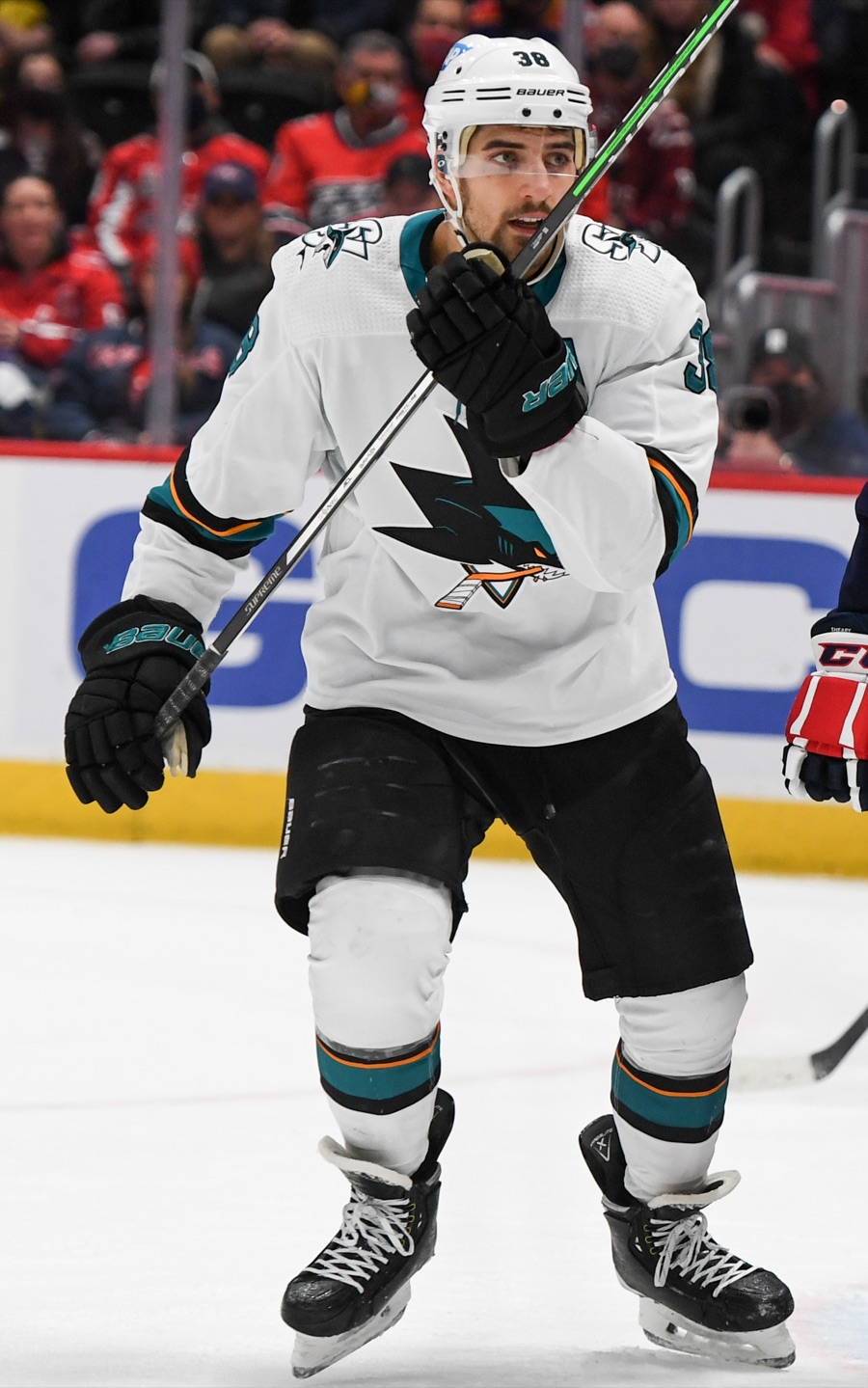
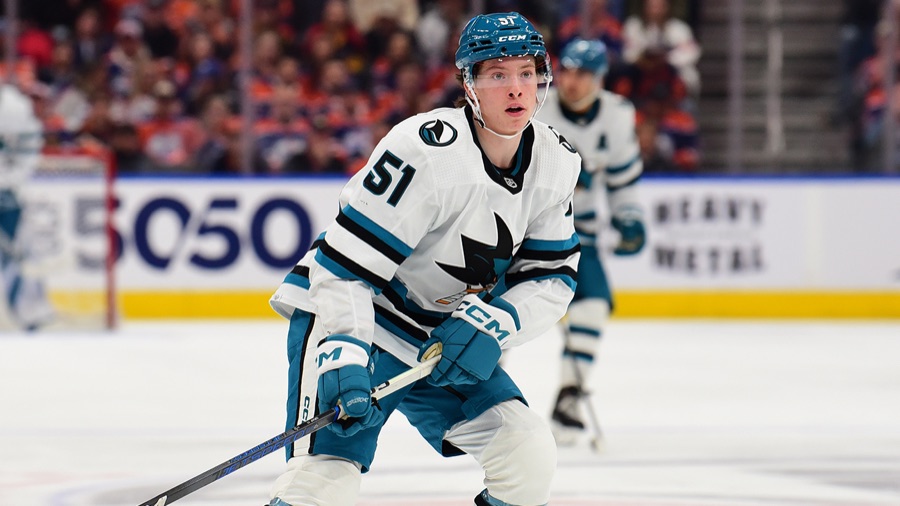
Carlson (or the Hamilton/Hronek fallback) at the point, Celebrini and Smith on the flanks, Eklund as the second playmaker, Toffoli in the bumper/net-front where his 9.29 already lived. The personnel around the point was a top-tier group all along. Swap the one negative touch for a positive one and a 17th-ranked unit that was already creating like a top-five one converts like a top-twelve one. That is the entire fix for PP1.
PP2: the Dickinson audition, two birds with one unit.
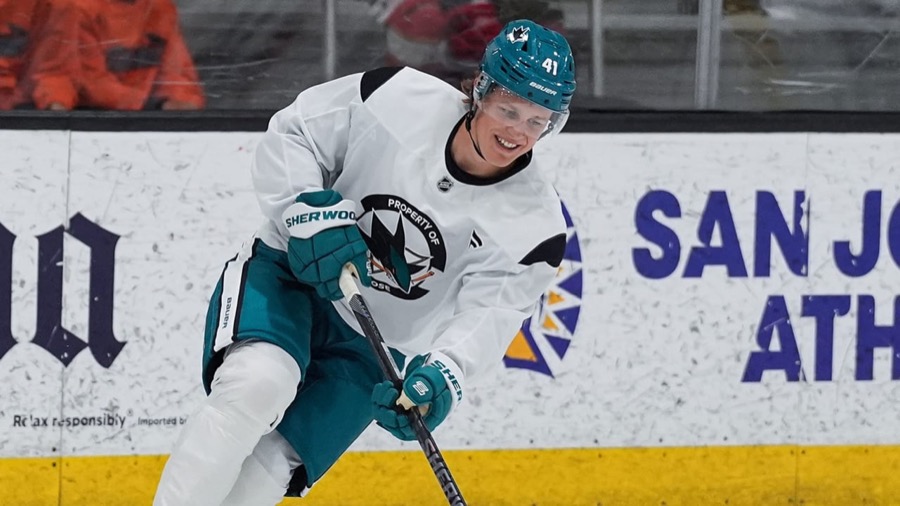
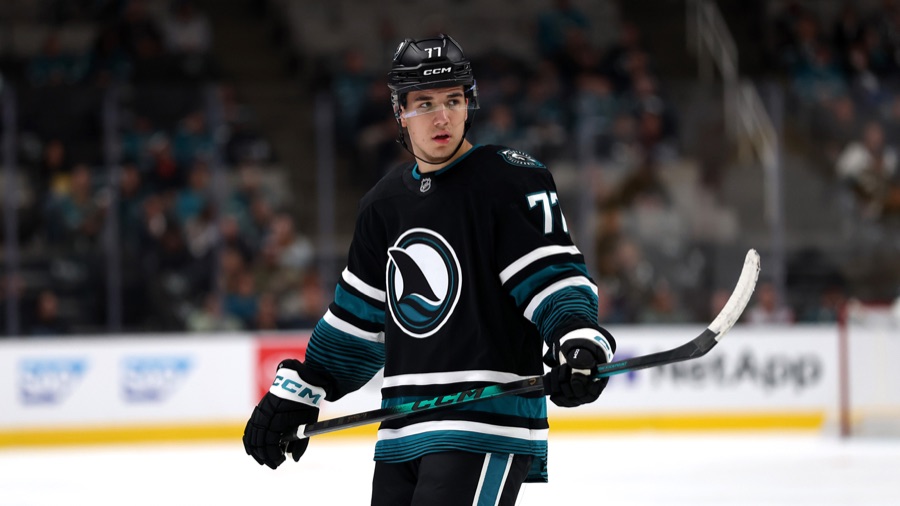
Dickinson quarterbacks the second unit (Misa, Chernyshov, Graf or Sherwood, a net presence). His 0:18 of power-play time per game last year was the muzzle the scorecard flags; PP2 is where the OHL point production that made him a draft headline finally gets its NHL audition. You develop your franchise defenseman's offensive half AND you upgrade the second unit in the same deployment. The PK had no such free lunch. The PP does.
Why this is the easier five points#
The penalty kill needs new bodies and a rebuilt structure; you have to manufacture suppression that was not there. The power play needs neither. The chances already exist at a top-five rate; the talent on the flanks is already elite and cheap (Celebrini, Smith, Eklund on entry-level deals); the only missing piece is the one position the blue-line plan is already signing a player to fill. The scorecard bar is 22.5 percent and a top-12 finish, and it is the most reachable target on the whole card, because the Sharks are not being asked to get better at the hard part. They are being asked to stop sabotaging the easy part. Remove the anchor, install the quarterback the offseason plan is already buying, and hand PP2 to the kid who needs the reps. The five points are sitting on the table where Klingberg used to stand.
PP rate and rank, Toffoli's 9.29 xGF/60, and the Klingberg-QB diagnosis per the value board (docs/Sharks_2025-26_value-board_component-audit.md); Smith's PP1 production (8 PPG, 4.6 P/60) per his season review; Dickinson's 0:18 PP muzzle and the scorecard's 22.5%/top-12 bar per the season scorecard; the Carlson-QB plan per the blue-line plan. Projected unit constructions are plans, not certainties.