Everybody Signed The Same Lease. The Rent Ran From $7.2 Million To $18.8 Million.
Six of the best young players in hockey signed new contracts in thirty-three days this summer, and every one of them came out at five years. The money underneath that number swung by a factor of two and a half. The one man who took eight years is the cheapest forward in the group, and San Jose's general manager said out loud that eight is what he wanted.
Six of the best young players in hockey signed new contracts between June 26 and July 29. Thirty-three days. Five clubs did the signing, because Anaheim did it twice.
All six came out at five years.
The seventh, Ivan Demidov in Montreal, signed for eight. He is the cheapest forward on the list by nearly six million dollars a year. Hold onto that.
Here is the whole summer, in the order the deals were signed:
- Brandt Clarke, Los Angeles, June 26. Five years, $37 million.
- Ivan Demidov, Montreal, July 1. Eight years, $73.2 million.
- Leo Carlsson, Anaheim, July 3. Five years, $90 million.
- Pavel Mintyukov, Anaheim, July 5. Five years, $36 million.
- Simon Nemec, Calgary, July 6. Five years, $36.25 million.
- Connor Bedard, Chicago, July 18. Five years, $75 million.
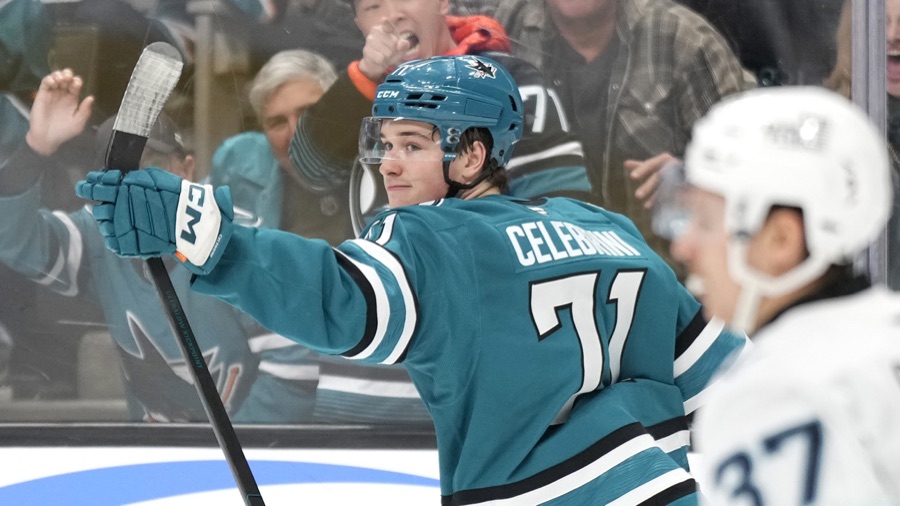
- Macklin Celebrini, San Jose, July 29. Five years, $94 million.
The term column reads five all the way down, with one line broken. The rent column ran from $7.2 million a year to $18.8 million, which is more than two and a half times, on identical leases.
The defensemen agreed on a number nobody proposed#
Clarke got $7.4 million a year. Mintyukov got $7.2 million. Nemec got $7.25 million.
Three defensemen, three front offices, ten days, and two hundred thousand dollars of daylight between the highest and the lowest. Nobody in that group was negotiating against the other two in any direct sense. Clarke is 23 and has played four NHL seasons, all of them for the Kings. Mintyukov is 22 and re-signed in Anaheim one day before Nemec signed in Calgary, which had acquired him from New Jersey: the Flames sent the Devils a second-round pick, two conditional firsts and prospect Etienne Morin for his rights and Maxim Tsyplakov, then paid him.
Three teams reached the same price to within three percent without a table between them. That happens when everybody is reading the same comparables, which is a polite way of saying the market did the negotiating and the general managers filled in the paperwork.
The forwards had a much wider argument. Bedard at $15 million, Carlsson at $18 million, Celebrini at $18.8 million, all on five years. The gap between the cheapest five-year forward and the most expensive one is $3.8 million a season, which is more than half of what Nemec makes to play a whole year.
Anaheim did not choose five years. Philadelphia did.#
This is the part that explains the rest of it.
On July 3 the Flyers put an offer sheet in front of Carlsson: five years, $90 million, $18 million a year, stacked into signing bonuses. Anaheim had a week to match it or take four first-round picks and watch its franchise center leave. The Ducks matched on July 9.
So the term on the largest restricted free agent contract of the summer was written by a general manager in the other conference who was never going to employ the player. Anaheim's only two options were that exact contract or no player. Five years was not a negotiation. It was a number Anaheim was handed.
Everything after July 9 got priced against it. Mike Grier said so himself on July 29, per Sheng Peng: "The offer sheet obviously changed things a little bit."
Grier wanted eight, and eight was sitting right there#
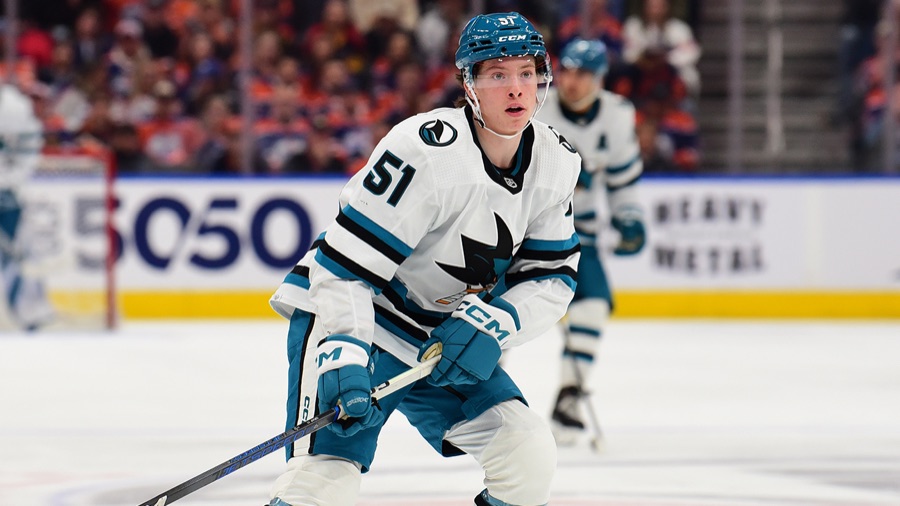
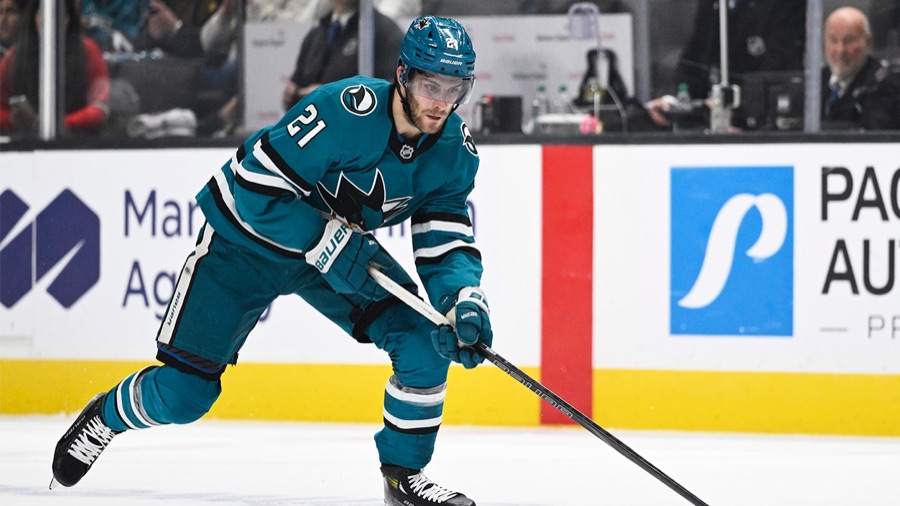
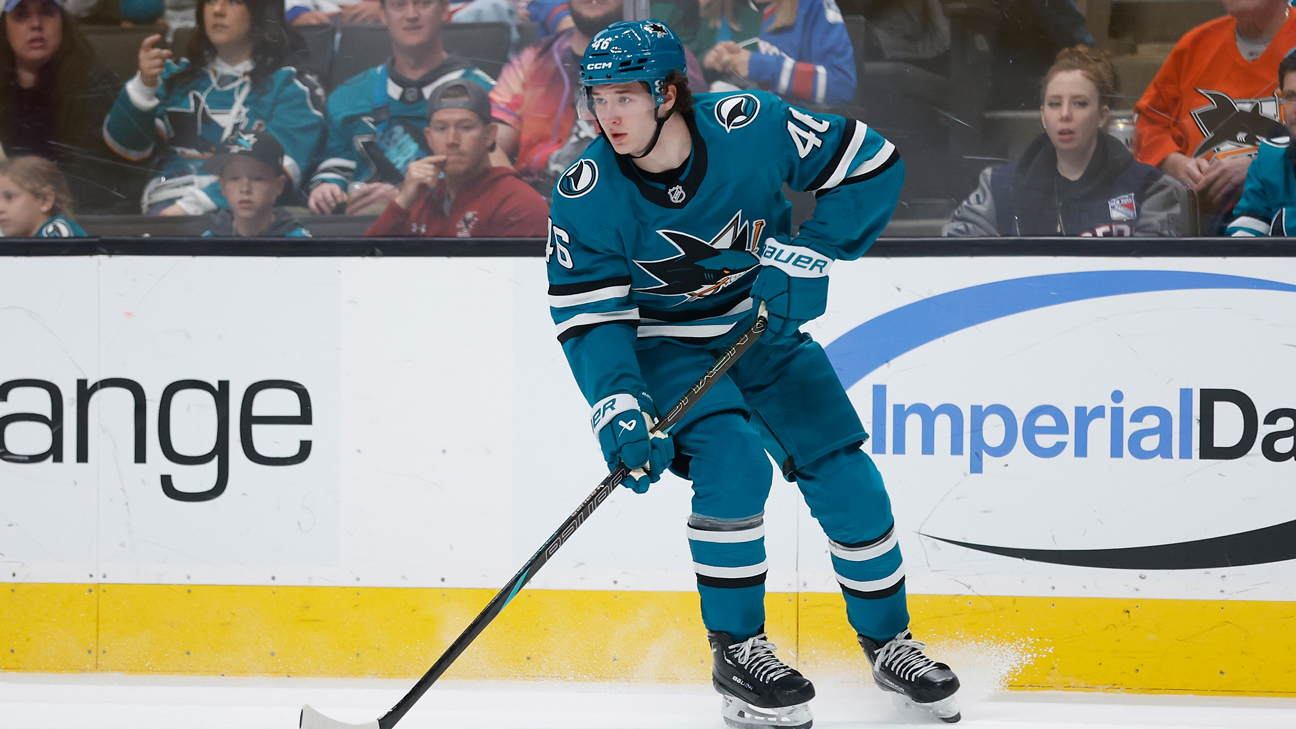
The Sharks general manager did not hide this. His words, the day the Celebrini extension was announced: "sure we would have loved to have gone eight years, the full term allowed."
He also said the money was never the constraint. Celebrini could have asked for the CBA maximum, which for a deal signed in the 2026-27 league year is 20 percent of the $104 million upper limit, or $20.8 million a season. Grier on owner Hasso Plattner: "I don't think Hasso would've hesitated to give him that if that's what he asked for." Pat Brisson negotiated it. The player asked for less money and less time than the club says it would have given him.
Now do the arithmetic Grier was describing. Celebrini's five years begin in 2027-28, because he plays next season out on the last year of his entry-level deal at $975,000. Eight years starting in 2027-28 would have run through 2034-35.
Demidov's contract in Montreal runs 2027-28 through 2034-35.
Same start, same end, signed 28 days earlier, at $9.15 million a year instead of $18.8 million. The deal San Jose says it wanted existed. It was on the board the whole time, in a different city, at a different price, and one of the two clubs got a 20-year-old to sign it.
Two summers, and San Jose is alone in the second one#
Five of the six five-year deals run through 2030-31, which puts Clarke, Mintyukov, Nemec, Bedard and Carlsson on the open market in the summer of 2031. Celebrini's runs one season longer. He is a free agent in July 2032, at 26. Five leases up in one summer, San Jose's up in the next.
That is the date, and it is arithmetic rather than a prophecy. San Jose will be negotiating with the man who reset the top of this market, in a summer when the other five have already been through it and set whatever the market says by then. Being last in that line is not automatically bad. It is just a position, and the Sharks did not pick it. Grier picked eight and got five.
The nearer dates are the crowded ones anyway. Will Smith is a restricted free agent in July 2027, the same summer Celebrini's $18.8 million cap hit first lands. Michael Misa, Sam Dickinson and Igor Chernyshov are all restricted free agents in July 2028.
One more date, and it is the one that makes this summer look different in a year. The new collective bargaining agreement runs from September 16, 2026 through September 15, 2030, and it cuts the maximum contract term from eight years to seven with your own team, and from seven to six with anybody else. Grier called eight years "the full term allowed" in July because in July it was.
Demidov took eight years at $9.15 million, and that number is settled through 2034-35. It was available to all of them except Carlsson, whose term was somebody else's decision.
Sources. Contract terms, signing dates, covered seasons and expiry years for all seven players verified at CapWages and cross-checked against club releases and league reporting: NHL.com (Celebrini, Demidov, Clarke, Mintyukov), TSN (Demidov, Clarke), ESPN (Nemec, Mintyukov, Clarke). Carlsson offer sheet terms, structure, July 3 signing date, July 9 match and the four-first-round-pick compensation via Yahoo Sports. Nemec trade return via ESPN and NHL Trade Rumors. Grier quotes reported by Sheng Peng (San Jose Hockey Now) and carried by theScore and NHL.com, July 29, 2026. CBA term limits and the September 16, 2026 effective date via NHL.com. Celebrini's entry-level cap hit and the CBA maximum arithmetic from this site's Sharks cap file and the July 29 house research brief. Smith, Misa, Dickinson and Chernyshov expiry years from the Sharks cap file, with Smith cross-checked at CapWages.