The Toffoli decision: when hold flips to sell, decided nine months before it's urgent

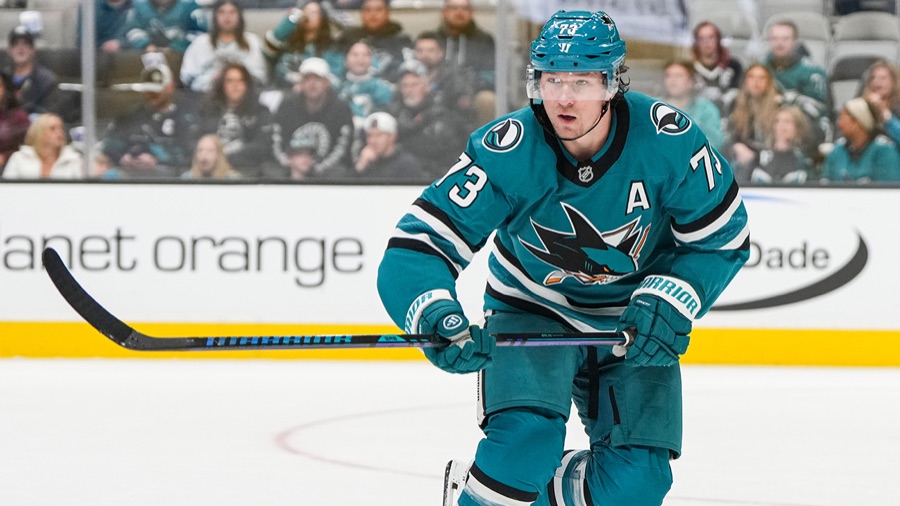
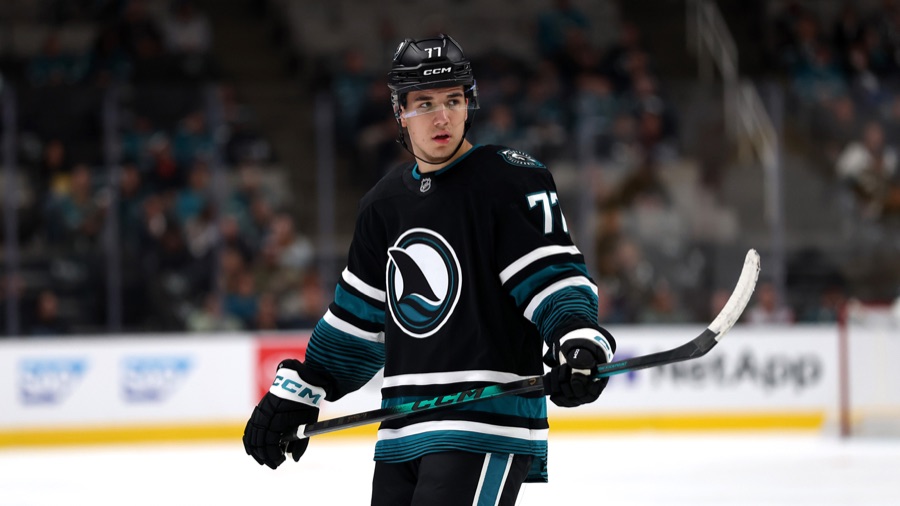
The Klingberg decision got made for us by a healthy scratch and a 12.7 shooting percentage. The next veteran decision is Toffoli's, and it deserves better: a rule, written in June, for exactly when "hold" flips to "sell," so that next March nobody is improvising with a deadline clock running. The convenient part is that pricing him requires no imagination whatsoever, because Tyler Toffoli has already been traded at two deadlines, and his own history is the comp set.
1. What he still is, honestly#
The word everyone reaches for is "declining," and it deserves an audit. His goals fell from 30 to 19, true. His points: 49, which is his fourth consecutive season at roughly 50. The scoring did not leave; it moved from the goal column to the assist column, which at 34 is what aging gracefully looks like. The value board backs the eye: a respectable 0.65 individual xG per 60, a fine 2.49 expected-goals-against, and the best power-play efficiency of any heavy-usage Shark (9.29 xGF/60 across 219 minutes). The forward plan slots him exactly right: third-line right wing, PP2 trigger, the veteran floor under the kids. Two years left at $6M, expiring in the summer of 2028, which the five-year cap model already counts among the money that funds the Misa-Dickinson-Chernyshov extensions. And one clause that shadows everything below: a full no-trade. Every scenario in this email requires his signature.
2. The asset clock: his value has a shape, and it peaks in March#
| Window | What he is then | Realistic return |
|---|---|---|
| Now (summer 2026) | A 34-year-old off a 19-goal year, two full years owed | Selling low. A 2nd at best, and you weaken the playoff push to get it |
| Deadline 2027 (the peak) | A proven scorer with a year-plus of term, retention available | His own 2022 comp: traded with term, he fetched a first-rounder-led package. Age-discount it and retain 50%: a late first or a 2nd-plus-real-prospect |
| Deadline 2028 | A pure rental at 36 | His own 2024 comp: a 2nd and a 3rd, fading toward less |
| Summer 2028 | A UFA | Nothing. He walks, the cap space was the plan anyway |
That middle row is the whole memo. The 2027 deadline is the last window where he carries the term premium, the thing that historically separates his first-rounder trade from his second-rounder trade. After that the clock only runs down.
3. The Musty dependency, and the 2x2 that decides it#
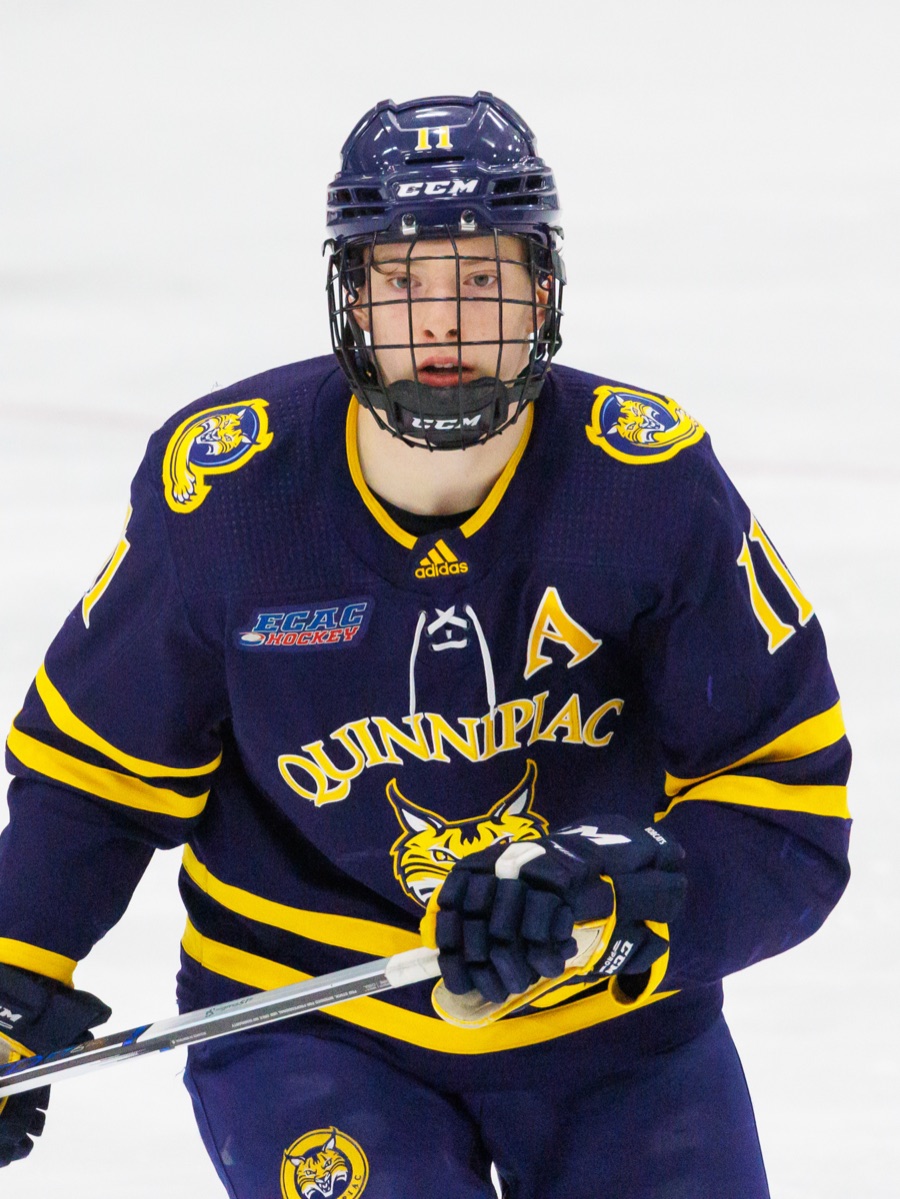
The heir is not hypothetical. Musty's deep-dive timeline (AHL start, midseason callup, a real top-nine job inside his ELC window) points at exactly one roster spot, and it is Toffoli's. So the March 2027 decision is a simple grid:
| At the 2027 deadline... | Musty ready (producing on a callup) | Musty not ready |
|---|---|---|
| In the race | HOLD. You keep both; depth wins springs, and his PP shot is part of why you are in the race | HOLD, obviously |
| Out of the race | SELL, full conviction, 50% retained, first-rounder ask. The heir takes the minutes the next morning | SELL anyway, slightly softer ask. The 2028 cap shed happens regardless; a 2nd-plus beats a walk-away, and the minutes go to auditions |
Notice the grid's honest shape: the race decides the row; Musty only decides the conviction. If the Sharks are within shouting distance of a wild card in March, the man with the team's best power-play numbers and the closer's pedigree (this team went 28-1-2 protecting third-period leads) stays. If they are not, the only question is the ask, and the cap model has already voted: his $6M leaving by 2028 was always the plan, so leaving a year early with a draft pick attached is the plan plus interest.
4. The no-trade reality, and one quiet caveat#
The full NTC means every scenario above is an invitation, not an instruction. The mitigating pattern: 34-year-olds on non-contenders historically say yes to March Cup chances, and Toffoli has waived his way to two of them before. The quiet caveat worth saying out loud: if next season goes the way the projection band hopes, the 2027 deadline finds the Sharks in the race, the grid says hold, and his value quietly rides down the 2028 rental slope while the team chases its first playoff berth in eight years. That is fine. That is the good problem. A first-rounder is not worth more than January hockey that matters, and the cap shed arrives on schedule either way. The sell rule exists for the bad timeline, not to manufacture a trade on the good one.
The verdict#
Hold now. Pre-commit the flip: at the 2027 deadline, out of the race means sell (50% retained, first-rounder ask, Musty conviction-modifier), in the race means hold without regret. The last good sell window is March 2027, and after that you are riding him home.
The Klingberg lesson was that veteran decisions made under deadline pressure get made badly. This one is now made in June, with his own trade history setting the price, the heir's timeline setting the urgency, and the playoff race setting the trigger. Wire it into the scorecard's March checkpoint and never think about it again until the standings tell us which row of the grid we live in.
Contract and clause per state/cap.md (2 years, $6M, full NTC, UFA July 2028); production per the offseason outline (19-30-49, a fourth straight ~50-point year) and the value board (0.65 ixG/60, 9.29 PP xGF/60 on 219 minutes); heir timeline per docs/players/Musty_2026-27_role-and-fit_Deep-Dive.md; cap-shed schedule per the five-year cap model. Trade comps are Toffoli's own: the 2022 with-term deal (a first-rounder-led package) and the 2024 rental (a 2nd and a 3rd), age-adjusted. The March rule will be added to the season scorecard's deadline checkpoint.