Luis Arraez Is Worth What He Looks Like. Robbie Ray Is Worth 1.3 Runs Less.
The Giants are sellers at 0.4 percent, and that part is settled. What is not settled is the price on their two expiring contracts, where the underlying numbers point in opposite directions.
The Giants' playoff odds are 0.4 percent.
That is FanGraphs. Baseball Prospectus has them at 0.3. Baseball Reference has them under 0.1. Three models built on different assumptions, run against a 44-60 team sitting 10.5 games out of the last wild card with 58 to play, and they agree to within a rounding error. There is no version of the rest of this season worth playing for.
So the interesting question is not whether the Giants sell before 6 p.m. Eastern on August 3. It is what they are selling, and there the numbers are much less agreeable.
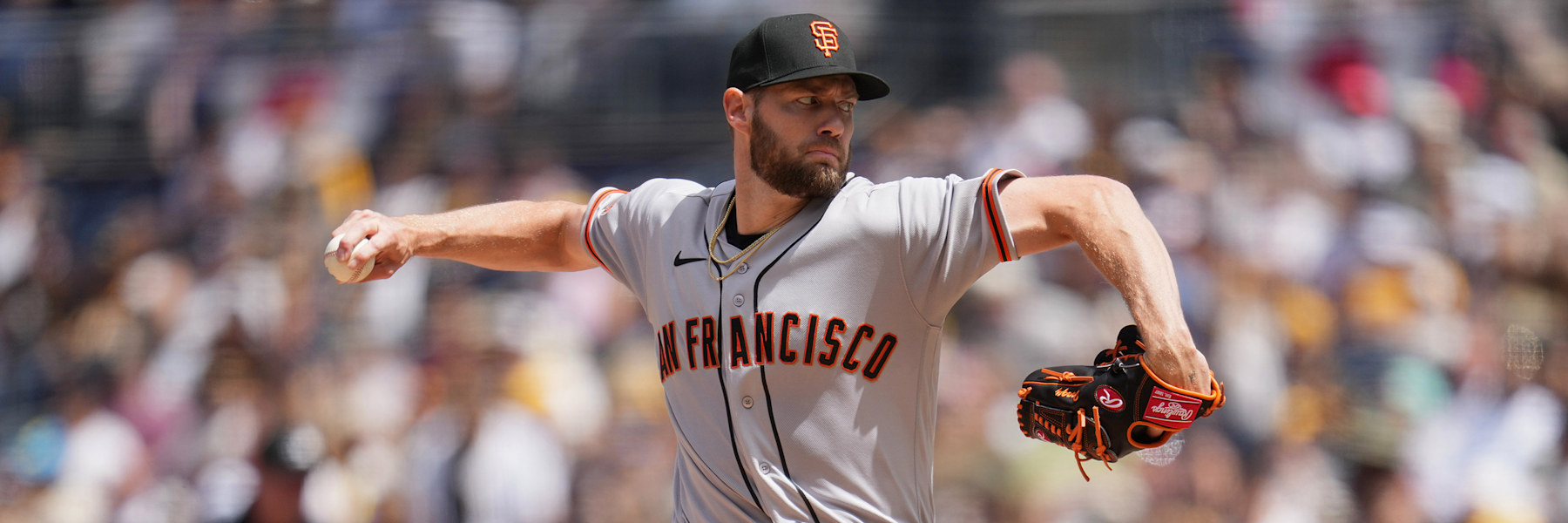
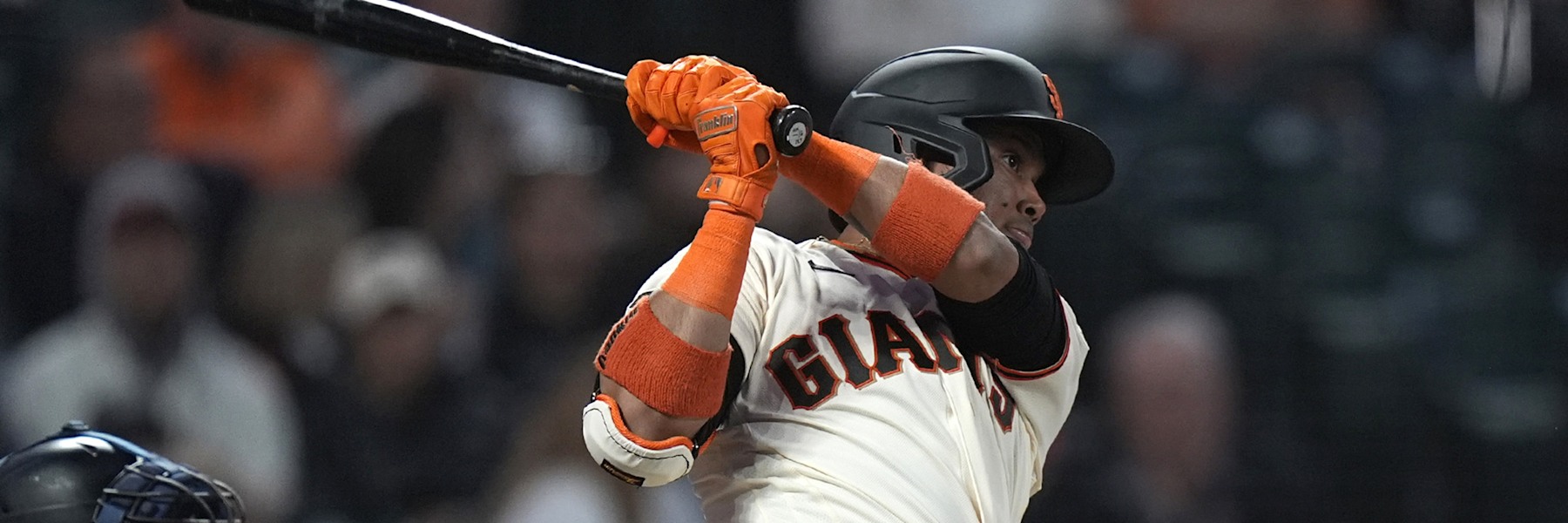
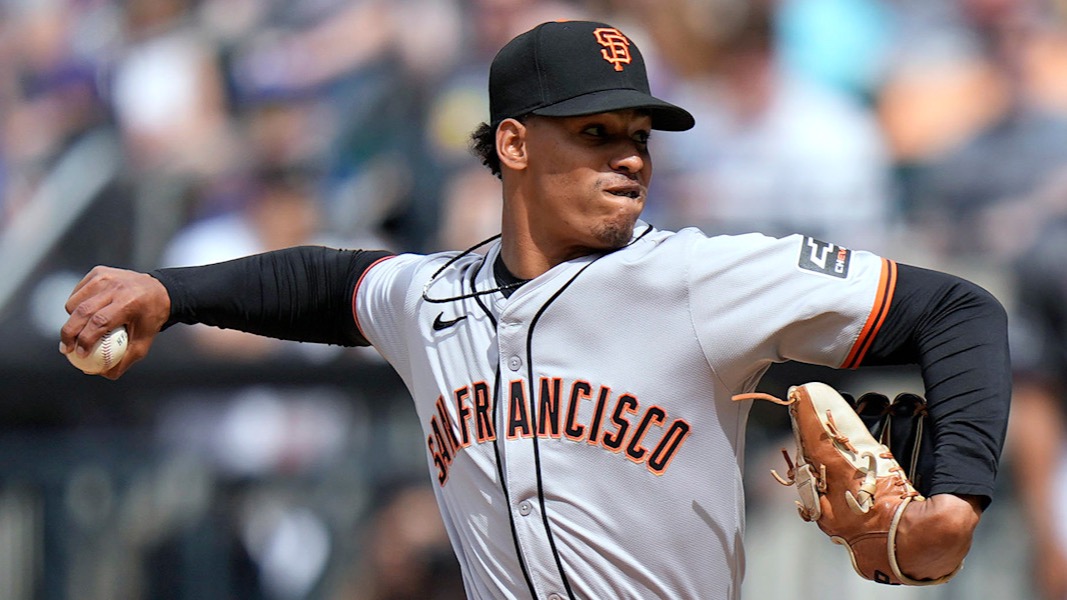
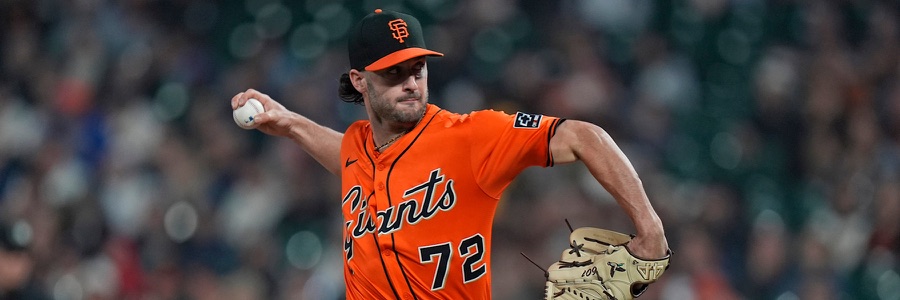
Two players are on expiring contracts and are plainly available. Luis Arraez, one year at $12 million, no no-trade protection, hitting .326. Robbie Ray, the last year of the five-year deal he signed with Seattle, roughly $8 million left on it, carrying the best ERA in the rotation. Both look like sell-high candidates. Only one of them is.
Arraez has been the Giants' best player, and it is not close
FanGraphs WAR, position players and pitchers together, 2026 season through July 26. The two highlighted names are the expiring contracts. One of them leads the team. The other is ninth on it.
Look at where the two highlighted rows sit. Arraez is at the top of a chart that contains the entire roster. Ray is ninth, below a 21-year-old who has been in the major leagues since May.
The gap in Ray's line is the whole story#
Ray has a 3.34 ERA. He also has a 4.66 FIP, which is Fielding Independent Pitching, the estimate of what a pitcher's ERA would be if you stripped out everything his defense and his luck did and kept only the four things he controls without help: strikeouts, walks, hit batsmen and home runs.
The gap between those two numbers is 1.32 runs. He is the only starter in the rotation whose FIP is worse than his ERA, and every other starter's gap runs the other direction.
Ray owns the rotation's best ERA and its second-worst FIP
Bar length is FIP, so longer is worse. Actual ERA at right. Every Giants starter except Ray has a FIP lower than his ERA, which is the ordinary direction for a pitcher whose results are being earned rather than allowed.
The mechanism underneath is not mysterious. Ray is walking 11.6 percent of the batters he faces and striking out 19.9 percent of them. A pitcher who walks that many people and misses that few bats is not usually running a 3.34. The strikeout rate is the part that should worry a buyer most, because it is the most stable thing on a pitcher's page and it stabilizes fastest. It says this is who he is now, at 34, in his walk year.
None of which means Ray is worthless. He has made 20-plus starts, he is durable, he is left-handed, and a contender that needs a fourth starter in October will pay for that. It means the price a buyer quotes off the ERA is a price the Giants should take immediately and without negotiating, because the components say the next 58 games are more likely to look like the FIP than the ERA.
Arraez is the opposite case, and the reason is his glove#
The batting line is the part everyone can see: .326/.363/.449 in 433 plate appearances, a 122 wRC+, which means 22 percent better than a league-average hitter after adjusting for park and era. That is a good season and it is roughly the season Arraez always has. Three batting titles say so.
The part that has actually changed is the defense.
Arraez is at plus-11 Outs Above Average at second base, a career best, second among all second basemen behind the Cardinals rookie JJ Wetherholt. For most of his career the glove was the thing you tolerated to get the bat. This season it is an asset, and that single reversal is doing more to his trade value than the batting average is.
That is also why the 3.7 WAR is real rather than a fluke of sequencing. It is built out of two independent components moving in the same direction, one of which is measured by cameras rather than inferred from outcomes.
The honest caveat: single-season defensive metrics are the noisiest thing in this piece. One year of OAA is not proof that a 29-year-old has permanently become a good defender. It is evidence, it is better evidence than the reputation it contradicts, and a buyer should still discount it more than they would discount the bat.
The part no deadline can fix#
Both of these men will be somewhere else in August, and it will not change the shape of this franchise, because the actual problem is not on the expiring-contract list.
Willy Adames is signed through 2031 at $26 million a year, with roughly $140 million left after this season, and he is hitting for a 93 wRC+ with 0.1 WAR. Matt Chapman is signed through 2030 with about $100 million left, at a 95 wRC+. Both hold full no-trade clauses. Those two facts in combination, negative surplus value and an absolute veto, are what make a contract genuinely immovable rather than merely expensive.
Rafael Devers is the interesting exception, and he is interesting in the direction nobody expects. He has no no-trade clause, which makes him the only one of the three the Giants could actually move. He is also, since the start of May, hitting well enough that they should not want to. The 22 homers and the 119 wRC+ are the current numbers. The .232 average and 79 wRC+ that still circulate are from May 11, when this team was 16-24, and they describe a player who no longer exists.
There is a column somewhere arguing that this roster needs to want it more. This is not that column, and the payroll ledger is not interested in that argument either.
What this piece is predicting#
Three calls, all of them scoreable by anyone holding a box score in October.
Ray finishes 2026 with a season ERA above 4.00. Neither Adames nor Chapman is traded by the August 3 deadline. And Arraez is traded, in a deal whose headline return does not include a consensus top-100 prospect, because a 29-year-old rental second baseman with one year of contact-first offense and one year of good defense is not what that price buys.
All rate stats and WAR figures are FanGraphs, team pages retrieved July 26, 2026, and reflect games through July 25. Outs Above Average is Statcast. Playoff odds are FanGraphs, Baseball Prospectus PECOTA and Baseball Reference as of the same date and are model output, not measured results. Contract terms and remaining money are per MLB Trade Rumors. Known weaknesses: single-season OAA carries the widest error bars of any number here, and the two public estimates of Arraez's wRC+ this week differ by three points depending on the cutoff date, which is a date artifact rather than a disagreement.