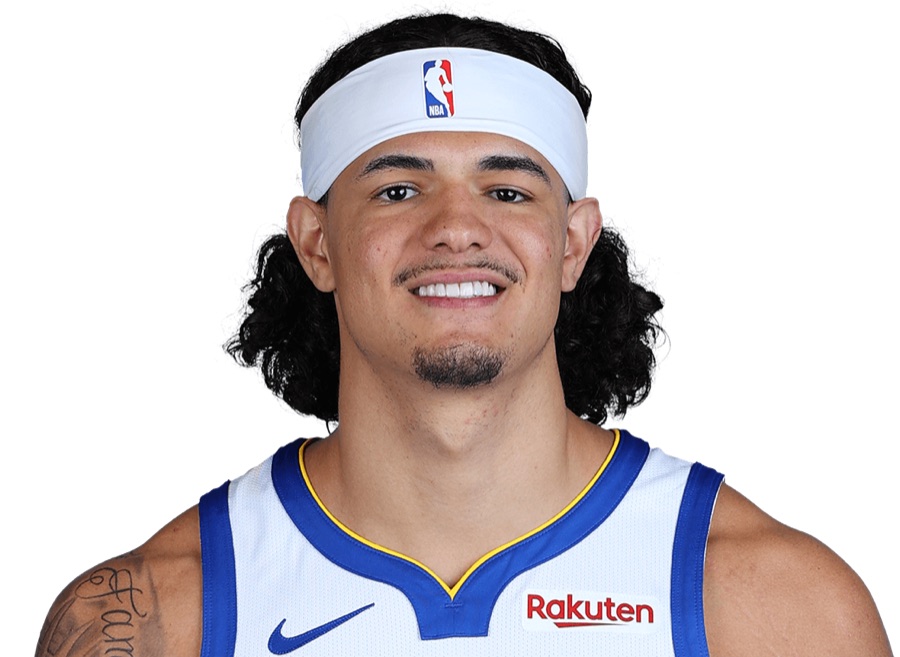
Brandon Williams Will Be Paid More Than Golden State Is Charged For Him
The Warriors agreed to a one-year deal with the Dallas guard on Tuesday. His salary is $2,625,627. The number that hits Golden State's books is $2,449,421, and for a roster operating under a hard cap the $176,206 in between is not a rounding error.
Golden State agreed to terms with Brandon Williams on Tuesday, one year, $2.6 million, reported by Shams Charania at ESPN through the agents Derek Lafayette and Curtis Lawrence. That is the whole transaction. It is worth stopping on because of a gap between two numbers that both describe it.
Williams' salary is $2,625,627. That is the 2026-27 minimum for a player with four years of service, which is what he has. (140 games across four seasons, so he clears the three-year bar the reimbursement needs with a year to spare.)
Golden State will be charged $2,449,421.
The difference is $176,206 and it belongs to the league. The NBA reimburses part of a one-year minimum contract signed by a veteran of three or more years, specifically so that clubs watching every dollar do not default to the cheapest 22-year-old in the room. The charge against the team gets fixed at the two-year minimum no matter how many seasons the player has actually put in. It applies to one-year deals only. Sign the same man for two years and the club eats the whole number.
For most teams this is trivia. For this one it is the mechanism.
The Warriors have exactly one price, and this was it#
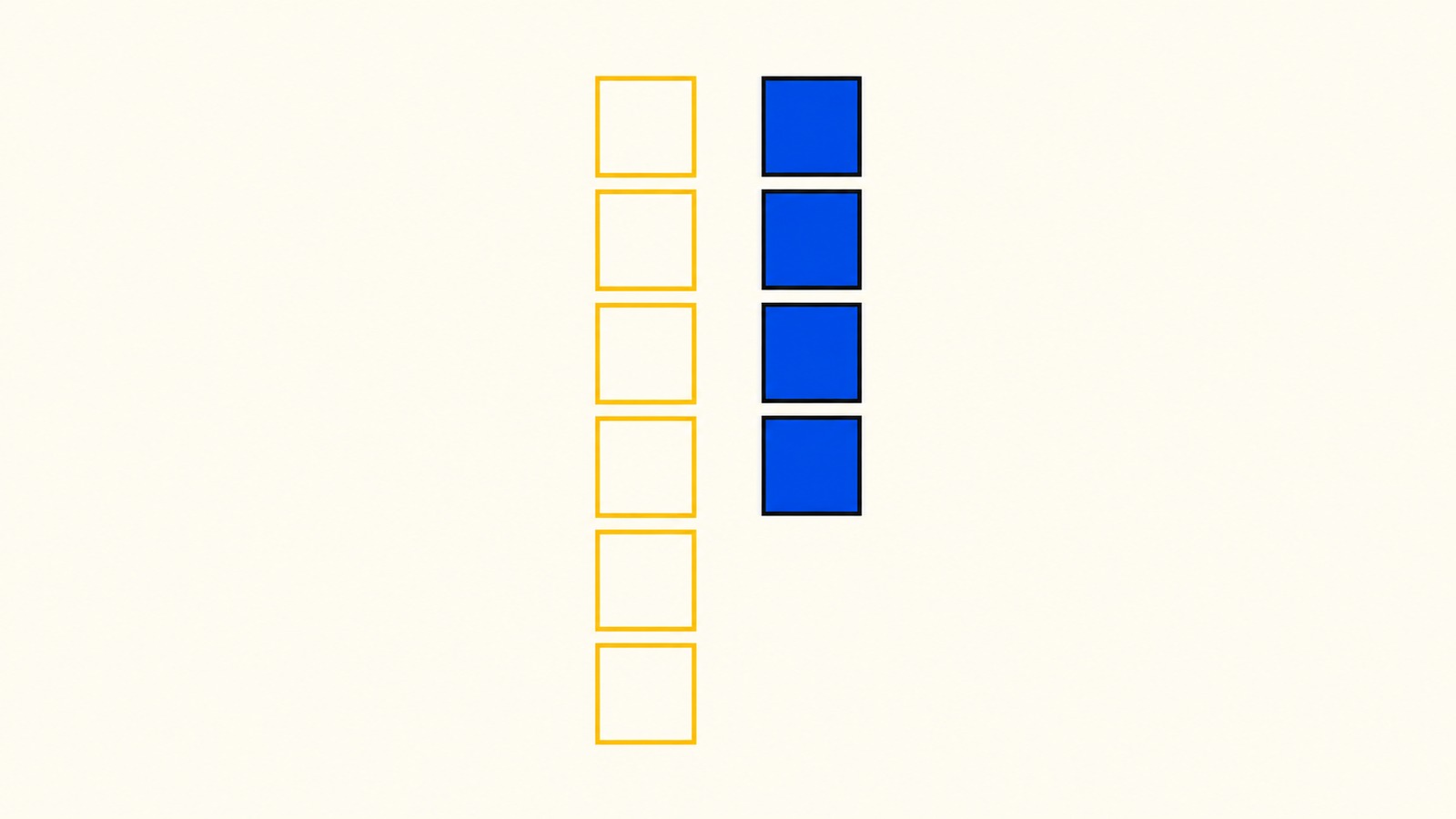
Golden State went into Tuesday with 12 fully guaranteed standard contracts and Charles Bassey on a partial, which is 13 against a limit of 15. Williams is the 14th. (A partial guarantee is a deal a club can walk away from for a fraction of its face value, so the 13 was softer than 13 sounds.) The club is under a hard cap at the second apron, and a hard cap is not a tax threshold you can decide to pay through. It is a wall.
So the shopping list was never long. It was the minimum, or it was nothing, and every name that had been attached to these two jobs all summer was attached at that price. Williams is the first of them to actually sign.
The career line is 10.7 points in 19.3 minutes, 34 of those games as a starter. Last season in Dallas was the good one: 13.0 points, 3.9 assists and 2.9 rebounds in 22.2 minutes across 66 games. He came into the league with Portland. Nobody is confusing that with a rotation solved, and the Warriors are not paying for one.
What they are paying for is a guard who can score off the bench, and the reason they need one arrived in the same report.
The reason a fourteenth man is a wing problem#
ESPN reported the same morning that Jimmy Butler and Moses Moody will both miss the opening months of the season while they rehabilitate knee injuries. Two starting wings. Opening months, plural. (That is ESPN's framing rather than a club timeline.)
That is the shape of the thing. A club with a full-strength perimeter does not spend its second-to-last roster spot on a 22-minute bench scorer. A club without Butler and without Moody in October needs somebody who can come in and get his own shot while the offense waits, and it needs him at a price that does not push the payroll into a wall it is legally forbidden to cross.
Williams gets his own shot. That is the skill. He is not being brought here to defend, and if the Warriors were pretending otherwise they would have paid more, because they could not have paid more.
One spot left. Georges Niang and Dalen Terry have been the names next to it for weeks, and neither has signed anything.
Anyway. The most interesting number in a minimum contract is usually the one the team is charged rather than the one the player banks, and this is the rare case where a reader gets shown both. $2,625,627 goes into Brandon Williams' account. $2,449,421 goes onto Golden State's books. Somebody in the league office covers the rest, on purpose, so that a hard-capped roster in San Francisco does not spend October starting a rookie at the two-guard because the veteran cost $176,206 too much.
Already on the ledger, and no new call filed against Tuesday. Three open ones run straight into this signing and a fourth would be padding. Filed August 24: at least one of Brandon Williams, Georges Niang and Dalen Terry is on Golden State's opening-night roster, resolving October 21, and Williams has now taken the first step toward it. Also open: that Golden State opens the season carrying 14 standard contracts rather than 15, and that every standard spot the club fills before opening night goes to a player on a minimum contract with no trade involved. Tuesday moved all three and settled none of them.
Sources: Shams Charania, ESPN, August 25, for the agreement, the terms and the agents; ESPN's August 25 report for the Butler and Moody rehabilitation timelines and for Williams' career and 2025-26 lines; Hoops Rumors, August 25, 8:40 a.m., for the $2,625,627 four-year minimum, the roster count and the Bassey partial guarantee; Hoops Rumors' minimum-salary glossary for the reimbursement rule and the $2,449,421 charge. Terms are as reported. Neither the club nor the league had processed the contract as of Tuesday afternoon.