The Last Giants Team To Hand Out This Many Debuts Kept Exactly Half Of Them
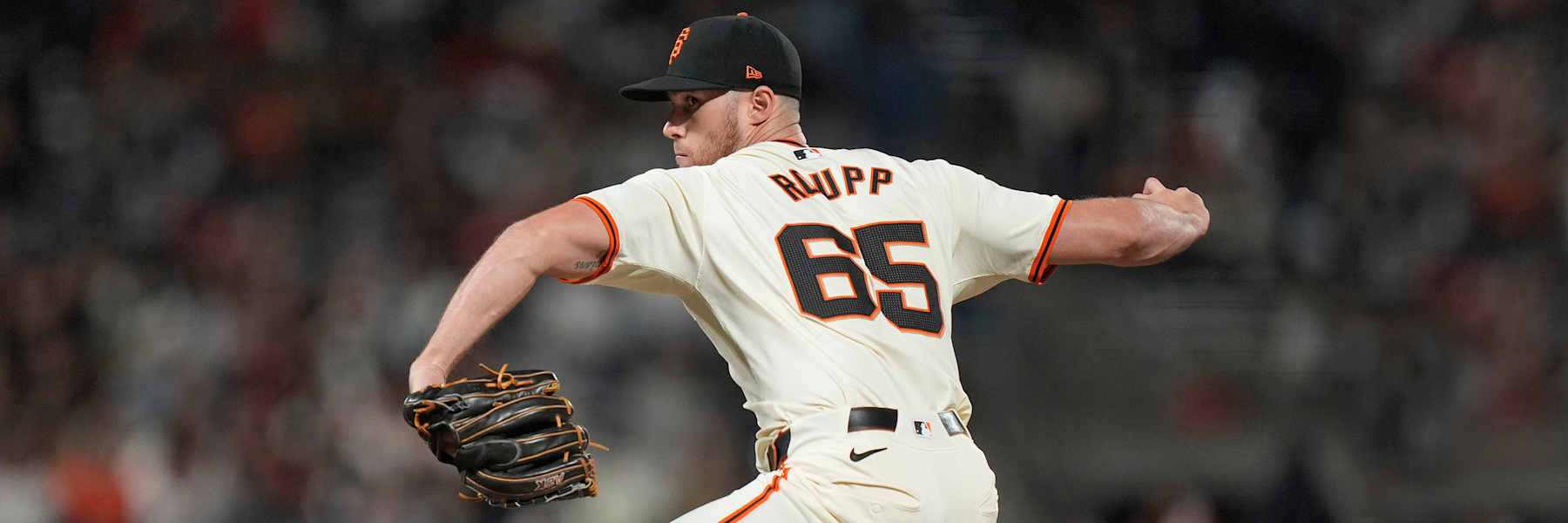
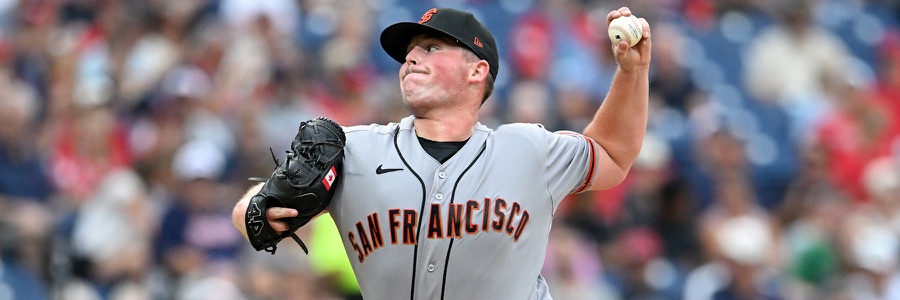
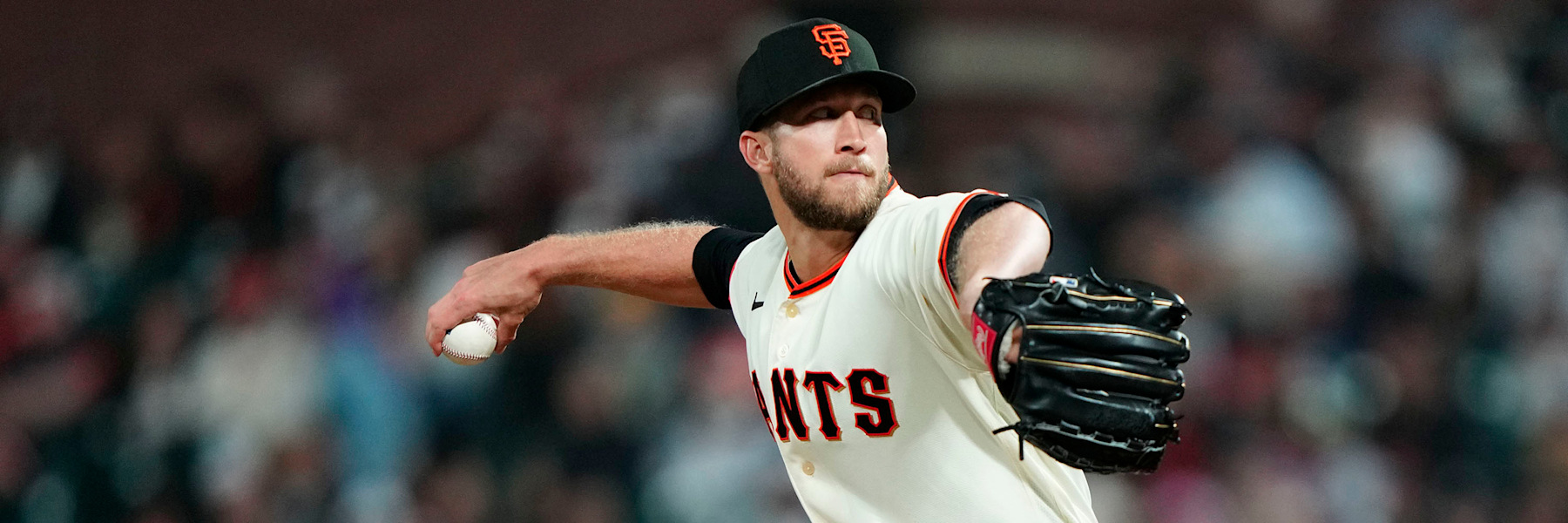
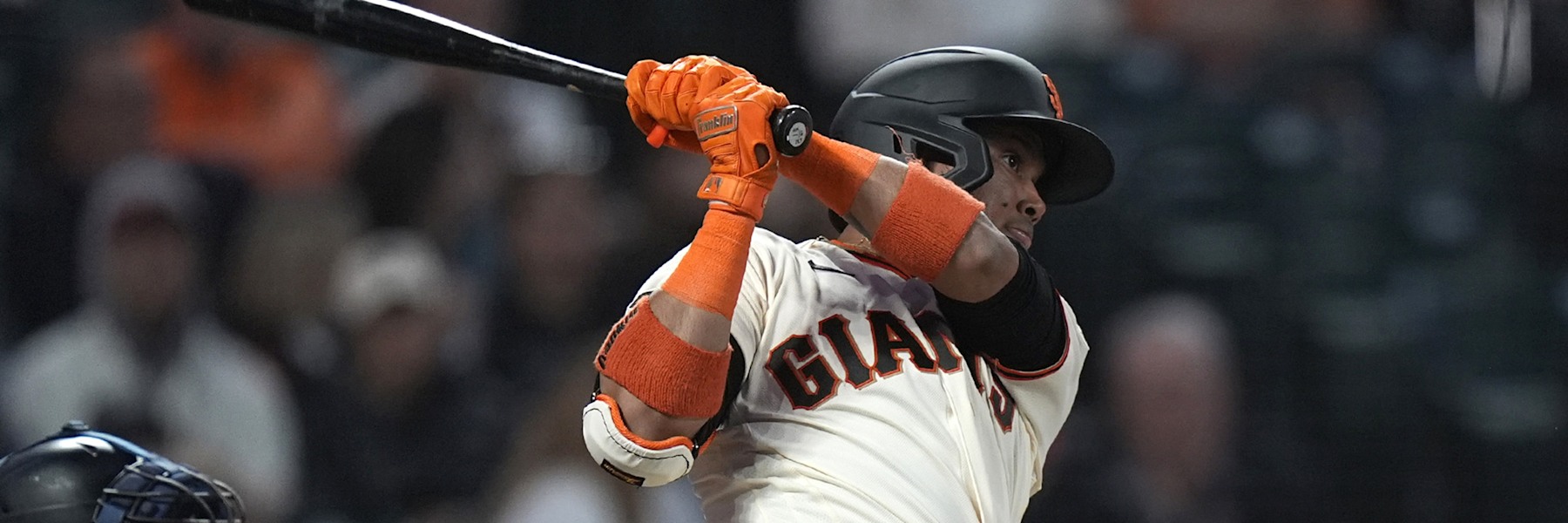
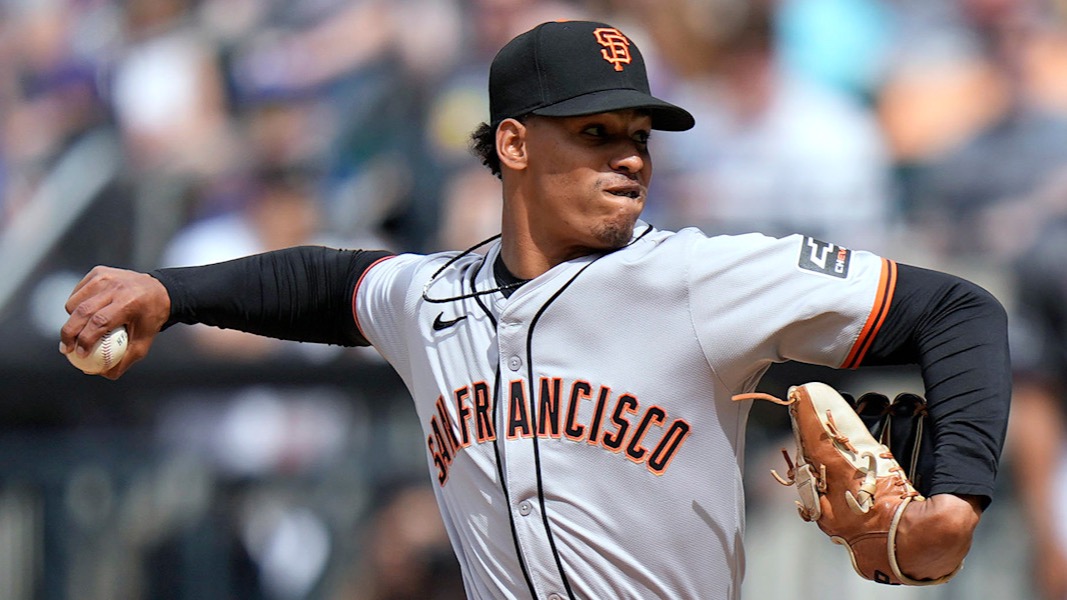
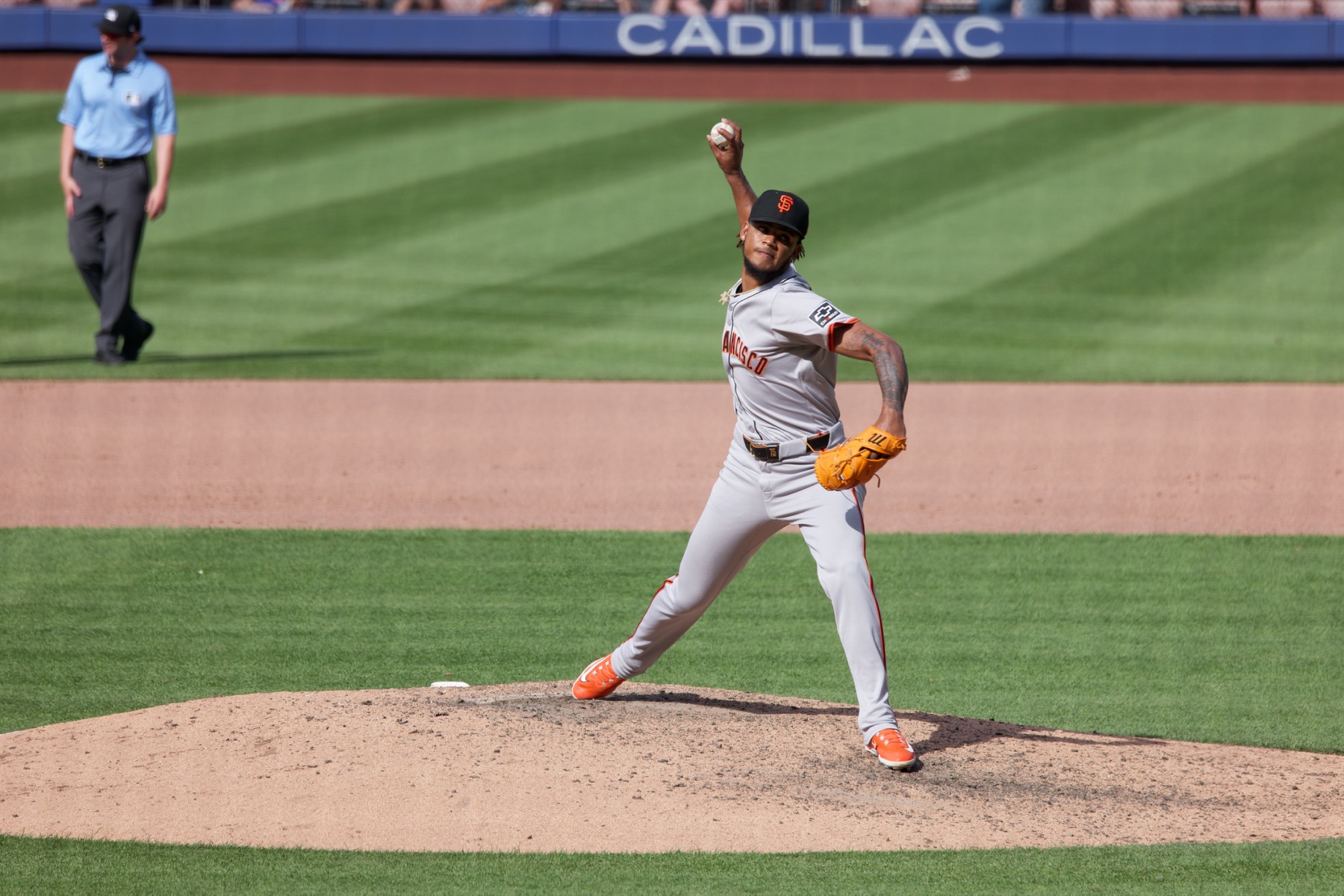
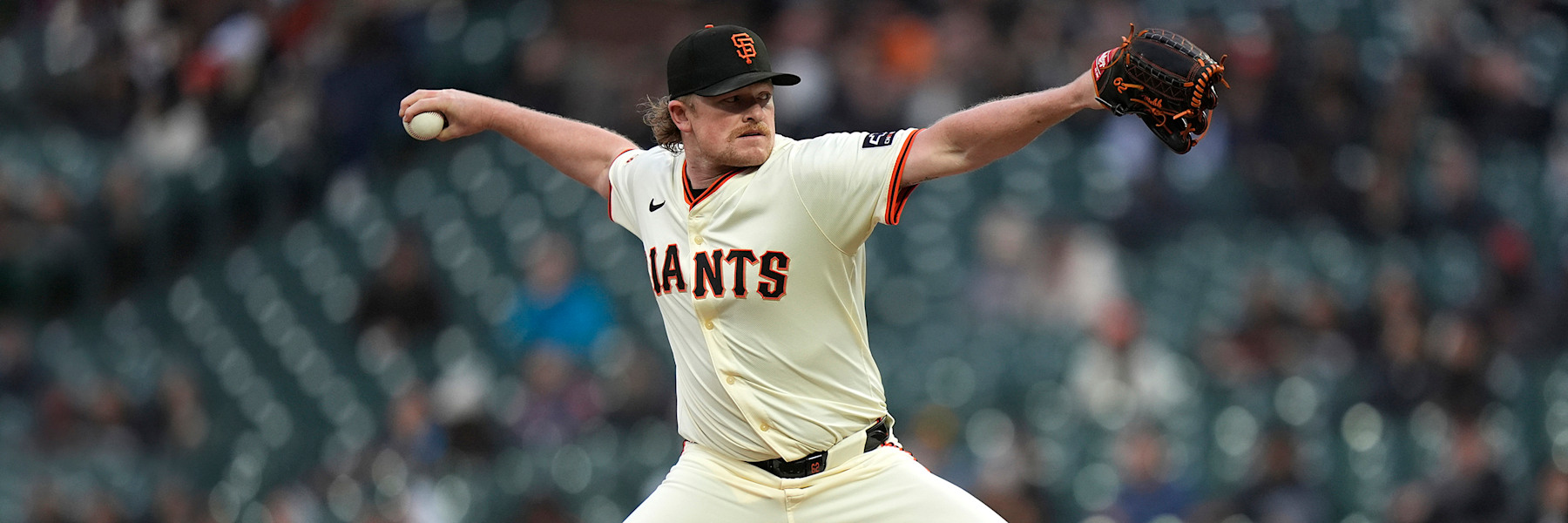
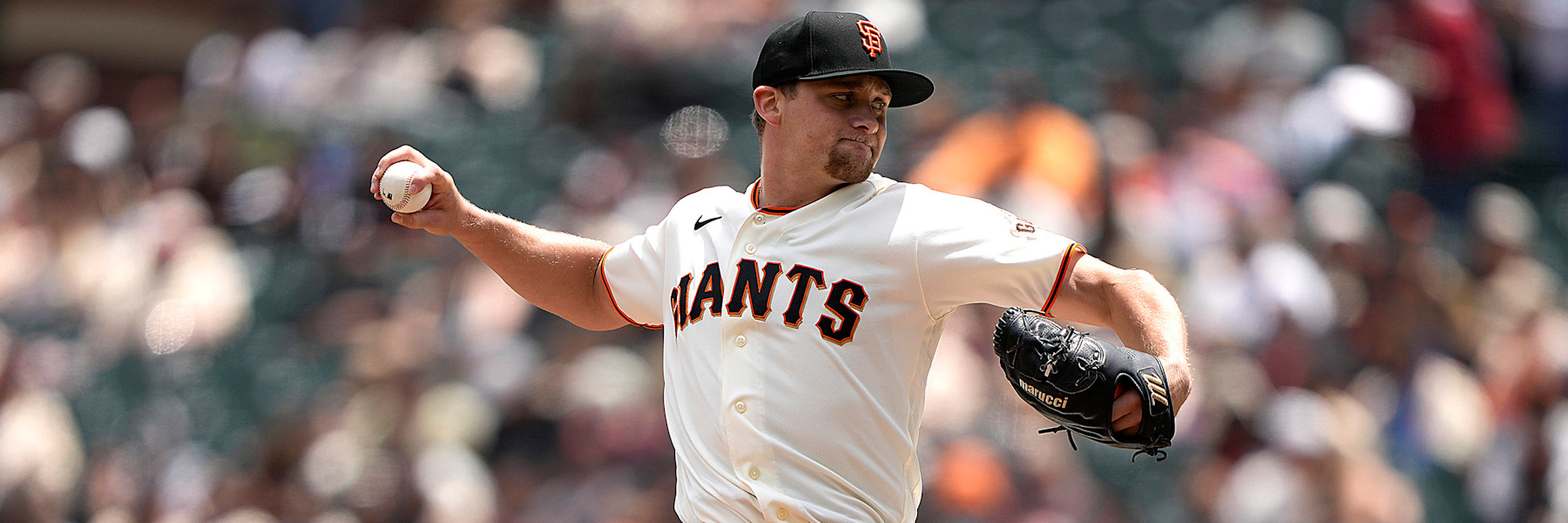
Fourteen men have reached the major leagues with San Francisco this year, the most since 2008. Two of them are already off the roster, and Turner Hill has twenty-four games to find out which group he is in.
Brian Bocock. Steve Holm. Clay Timpner. John Bowker. Emmanuel Burriss. Alex Hinshaw. Travis Denker. Brian Horwitz. Sergio Romo. Osiris Matos. Ivan Ochoa. Geno Espineli. Ryan Rohlinger. Pablo Sandoval. Matt Palmer. Conor Gillaspie.
Sixteen men, all of whom made their major league debut for the San Francisco Giants in 2008. That club went 72-90. It is the last time this franchise handed out a debut class anywhere near the size of the one it is handing out right now.
Eight of the sixteen played for San Francisco again in 2009. Four were still around in 2012, when the Giants swept Detroit in four games and won the World Series. Two of those four were Pablo Sandoval and Sergio Romo, which is why anybody remembers the list at all.
The other eight never played another game in this uniform.
What the front office says it is doing#
San Francisco is 57-81 with twenty-four games left. Nineteen more losses makes it a hundred, so six wins between now and the last day of the season keeps them under it. Willy Adames does not want to talk about that.
"To me, what difference does it make if you lose 95 or 100 games?" he told Susan Slusser of the San Francisco Chronicle. "You're out of the race, what's the point of the discussion? I see it as a disappointment either way."
Drew Gilbert disagreed in five words. "One hundred just looks worse."
Buster Posey, asked the same question, answered a different one, and his answer is the more useful of the two.
"I would say the focus is on getting a look at some players that otherwise we wouldn't get a look at and also development," the president of baseball operations said. "With these last 25-26 games, we can go into the offseason with some of them gaining some momentum."
Fine. Then count the looks instead of the losses.
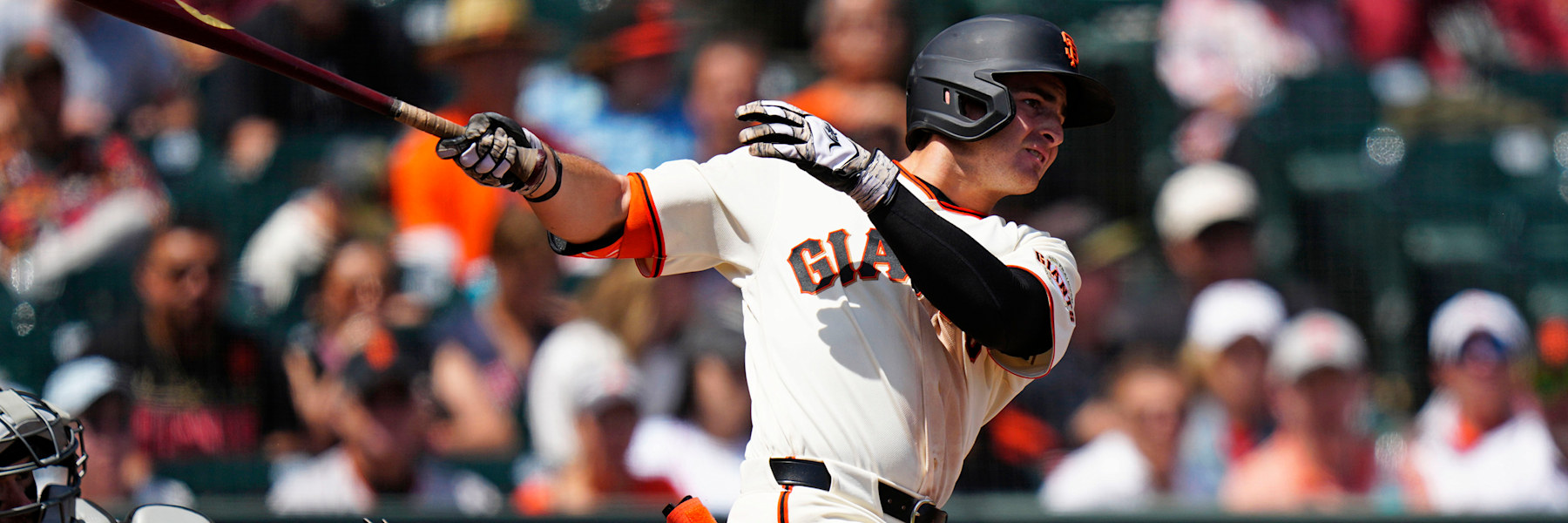
Fourteen men have made their major league debut for San Francisco this season. That is the most in any year since 2008 and the second-most since 2005, counting every man whose first major league game came with this club. Six of the fourteen arrived between April and late June, none in July, and eight since the first of August. A Called Shot on this site, filed August 30, says the number reaches seventeen before the season ends. That needs three more in twenty-four games, and it is a question about arrivals.
The harder question is about departures.
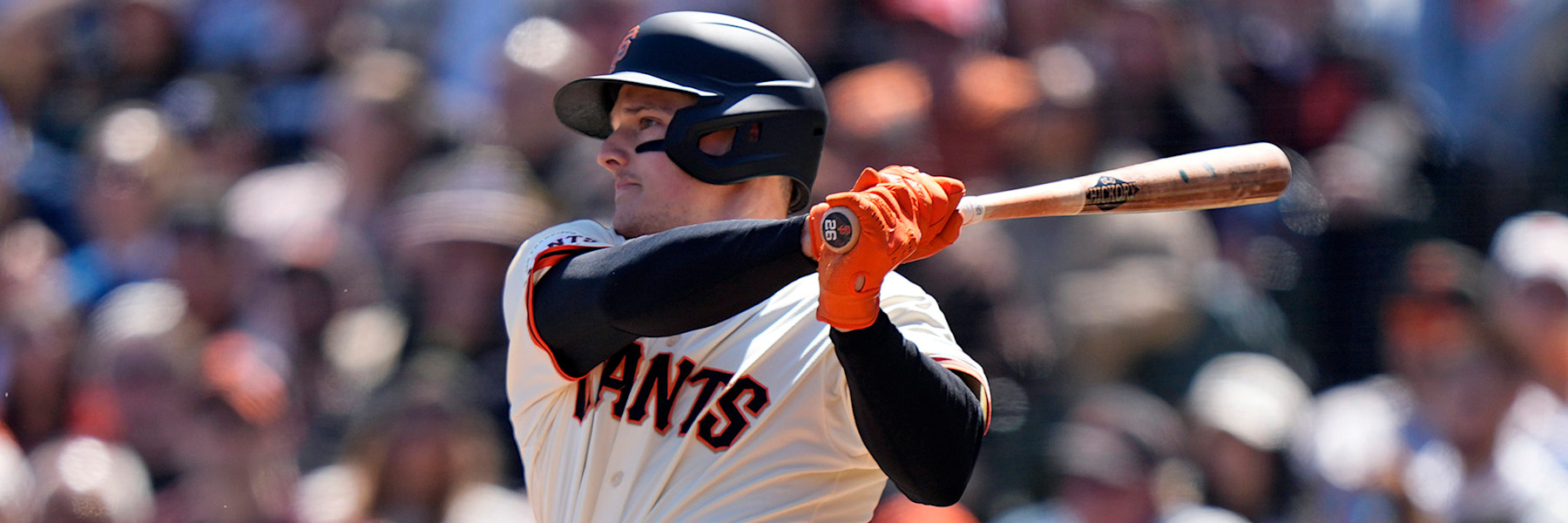
Turner Hill, who is not a prospect and is playing every day#
Hill turned 27 in April. He is from Marietta, Ohio, he bats left-handed, and until this year the closest he had come to the major leagues was nine games at Triple-A Sacramento spread across three seasons: two in 2023, six in 2024, one in 2025. Nine games in three years. That is not a pipeline, that is a filing error with a bus ticket attached.
Then Sacramento gave him 88 games this season and he hit .353 with a .949 on-base-plus-slugging and stole 23 bases. San Francisco selected his contract on August 13. He debuted on the 15th.
Since August 22 he has taken 27 plate appearances, more than any other member of this year's debut class, including Jonah Cox and Drew Cavanaugh, who have both been in the majors since June. He is hitting .273 in thirteen games, off 41 plate appearances, which is a weekend and not a sample.
That is the audition. Twenty-four games of it left.
Eddys Leonard already has his answer#
San Francisco signed Eddys Leonard to a minor league contract on July 24. It selected his contract on August 4 and he made his major league debut the same day, at 25, after eight professional seasons (the Dodgers, the Tigers, the Braves and the Brewers had all had him first, and none put him on a major league field). He got into three games and took eight plate appearances. On August 11 the club designated him for assignment. On August 14 it sent him outright to Sacramento.
Debut to designation: seven days.
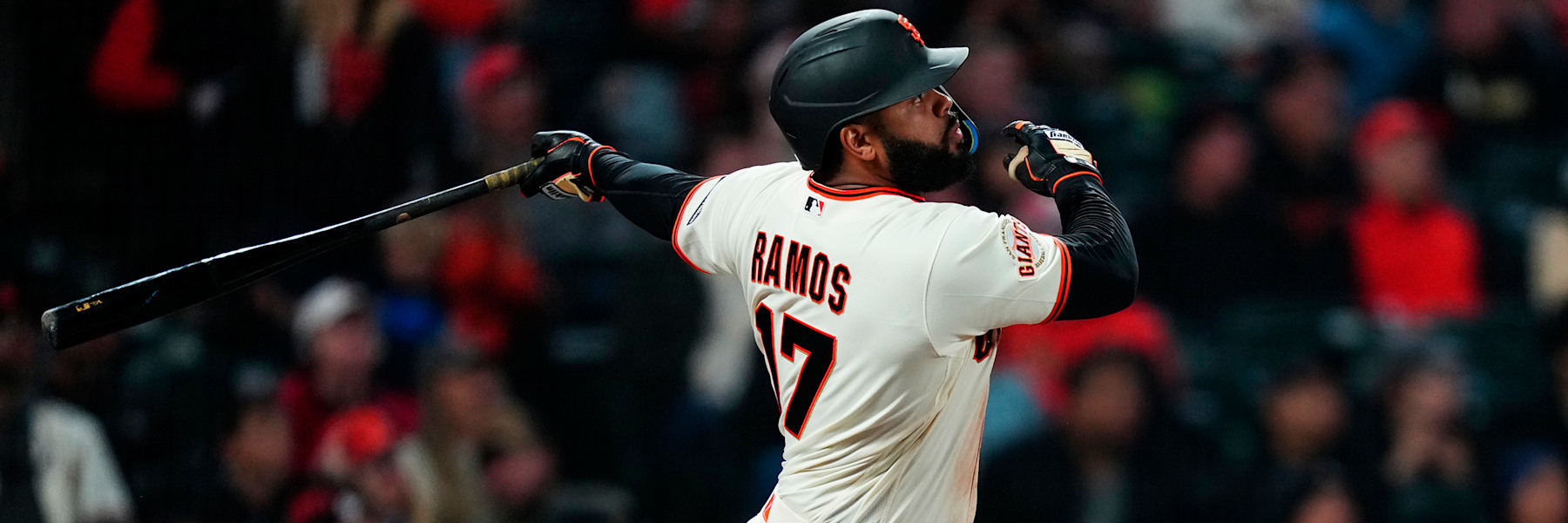
He is one of two from this year's fourteen already off the 40-man roster. The other is Wilkin Ramos, a right-hander selected on June 1 who pitched two innings across two appearances, was optioned four days later and was designated on June 26. Twelve of the fourteen are still on the roster this morning. Two are not, and the season is not over.
Ten classes, and the size of one tells you nothing#
A big debut class on a bad team sounds like a rebuilding class, full of men who stick. The club's own record says the sound is meaningless. Ten previous San Francisco debut classes, from 2008 forward, and the share of each that played for the Giants again the next season:
- 2008, sixteen debuts, eight came back. 50 percent.
- 2013, nine debuts, four came back. 44 percent.
- 2014, ten debuts, six came back. 60 percent.
- 2017, ten debuts, five came back. 50 percent.
- 2018, nine debuts, eight came back. 89 percent.
- 2019, thirteen debuts, nine came back. 69 percent.
- 2022, nine debuts, five came back. 56 percent.
- 2023, twelve debuts, eleven came back. 92 percent.
- 2024, thirteen debuts, ten came back. 77 percent.
- 2025, six debuts, six came back. 100 percent.
The spread runs from 44 percent to everybody. The largest class on that list, 2008's sixteen, finishes second from the bottom. The next largest, thirteen in 2019 and thirteen in 2024, came back at 69 and 77. Size does not sort them, and neither does age: 2008 had two men who debuted at 26 or older and 2023 had three, and 2023 is the class that produced Patrick Bailey, Ryan Walker, Casey Schmitt and Kyle Harrison and kept eleven of twelve.
This year's fourteen include four who debuted at 27, a higher share of late arrivals than either comparison year. That tells you how these spots got filled. It tells you nothing about who keeps them.
The argument that caps all of this#
San Francisco has a stated reason to stop handing out debuts, and it is not sentiment.
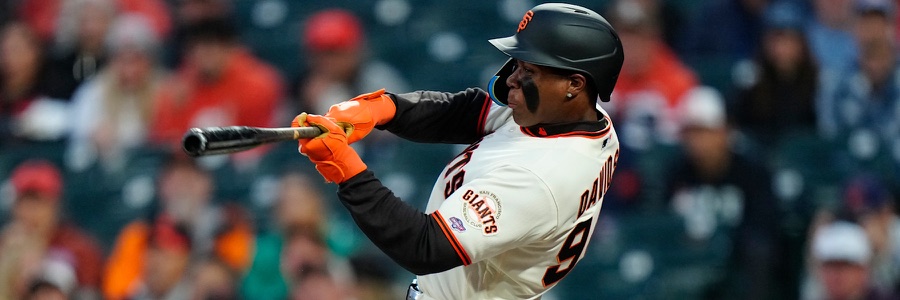
John Shea reported at the San Francisco Standard on August 23 that the club expects to give Bo Davidson a major league look ahead of Parks Harber, despite similar minor league seasons, because Davidson has to be protected from the Rule 5 draft this winter and Harber does not. Posey, in the same piece, described his front office sorting prospects by "whether they're undoubtedly ones to be protected, or are they in-between ones." The same calendar explains why a 23-year-old who had never pitched above Double-A started a game last Saturday.
Run that criterion forward and it works as a brake. A club adding only the men whose 40-man bill comes due in November has a short list, and it has worked through most of it.
Which brings us to this morning, the first day since Opening Day that active rosters were allowed to grow. As of 11:45 Pacific, thirteen of the thirty clubs had gone to twenty-eight players and none had gone past it. San Francisco was still carrying twenty-six, the number it carried on Sunday, with a game in Pittsburgh that night and no transaction posted.
Twenty-four games. Fourteen names. The number Posey gets asked about in October is the losses, and the number that settles what this year was for does not exist yet.
It gets counted in April, off a spring roster, by whoever bothers to check which of these men are still standing on it.
Sources: MLB Stats API, read the morning of September 1, 2026: San Francisco's 2026 active, 40-man and full-season rosters, the full-season rosters and player records for every season from 2005 through 2026 needed to build the debut classes, the 2026 transaction log, standings and remaining schedule, individual game logs and minor league records, the 2012 World Series results, and the active-roster count for all thirty clubs on August 31 and September 1. San Francisco Chronicle, Susan Slusser, September 1, 2026. San Francisco Standard, John Shea, August 23, 2026.